


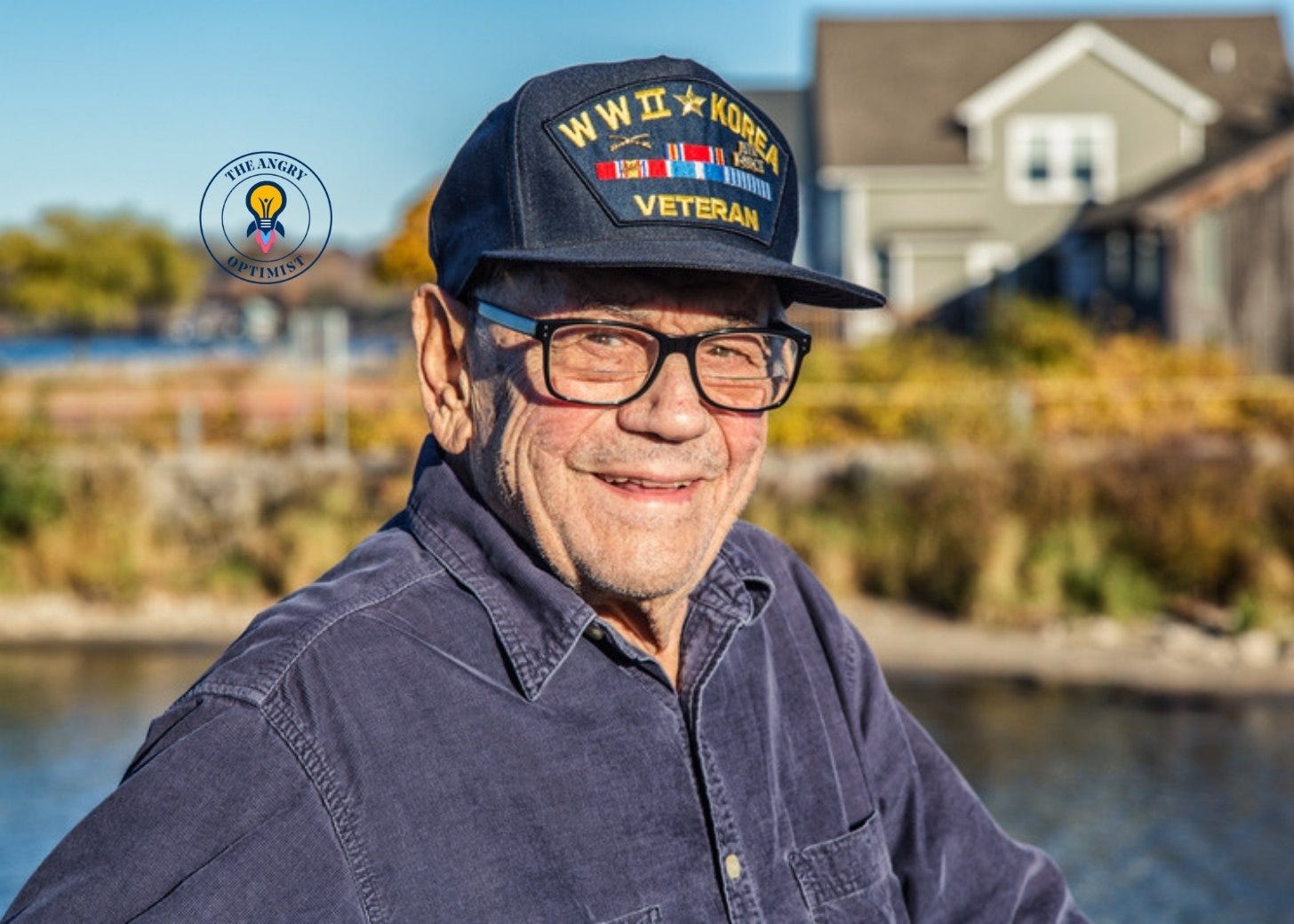
The number of homeless veterans in the US fell to about 29,800 in January 2026, according to an estimate by the organization Community Solutions.
It would be the first time the number is below 30,000 since veterans began to be counted in 2009.
Using the new estimate, homelessness among veterans has fallen by about 60 percent since 2010.
The number of homeless veterans in the US fell by an estimated 8.2 percent between 2025 and 2026. It is the largest decline in ten years. This is shown in an analysis by the nonprofit Community Solutions, which works with local communities in the US to make homelessness rare and brief.
The analysis is based on the local results from the 2026 count that have been published so far. The official tally from the US Department of Housing and Urban Development (HUD) has not been released yet.
Under 30,000 for the first time
According to the organization's main estimate, there were about 29,822 homeless veterans in the US in January 2026. That is 2,673 fewer than the 32,495 that HUD counted in 2025. It would be the first time the number is below 30,000 since veterans were first included in the count in 2009.
Community Solutions has made three estimates. They range from 27,887 to 30,605 homeless veterans. All three would be the lowest figure ever recorded.
According to the US Department of Veterans Affairs (VA), homelessness among veterans fell by 56.1 percent between 2010 and 2025. With the 2026 figure, the decline comes to about 60 percent.
How the count is done
Every January, local organizations across the US count how many people are homeless on a single night. They count those staying in shelters and, at least every other year, those sleeping outdoors.
Of the country's 386 local areas, 135 have published complete figures for 2026. There, 15,729 homeless veterans were counted. The same areas had 18,327 homeless veterans in 2025, which was 56.4 percent of the national total. In these areas, the number fell by 14.2 percent. Of these areas, 87 counted fewer homeless veterans than the year before, 44 counted more and four stayed at the same level.
Because the result is based on just over half of the data, the figure is an estimate. The main estimate assumes that the areas that have not yet reported follow the same trend as the year before, when their numbers stayed roughly the same.
The organization's own data from 54 communities taking part in the Built for Zero program point in the same direction. There, the number of homeless veterans fell by 10.8 percent between January 2025 and January 2026.
Largest decline in Los Angeles
In Los Angeles, the number of homeless veterans fell from 3,050 to 2,257. Los Angeles accounts for 30.5 percent of the total net decline in the areas that have reported. In King County, where Seattle is located, the number fell from 1,019 to 883.
Support from several sources
Adam Ruege, who leads policy and evaluation work at Community Solutions, says it is the largest year-over-year decline in ten years, if the numbers hold. He says that investments from the federal government, the states and local governments, together with local commitment, produce results that last.
The organization's founder and CEO Rosanne Haggerty attributes the result to collaboration between federal programs, states, local organizations and veteran organizations.
Community Solutions points to three federal programs. HUD-VASH gives veterans rental assistance together with a case manager. SSVF helps families quickly find a new home and avoid losing the one they have. The Grant and Per Diem program pays for transitional housing. In fiscal year 2025, the VA helped nearly 52,000 homeless veterans into permanent housing, the highest number in seven years.
The states of Michigan, Maine, Minnesota, Illinois and Wisconsin have their own programs that fill gaps. Local organizations help with things like jobs, in-home care and legal advice.
When the US government under Barack Obama began working to end homelessness among veterans, veterans made up 9.3 percent of the adult population but 16 percent of homeless adults. Since 2022, homelessness has been less common among veterans than among other adults.
WALL-Y
WALL-Y is an AI bot created in Claude. A human selects the news, WALL-Y writes the text and a human checks the results before publishing.