


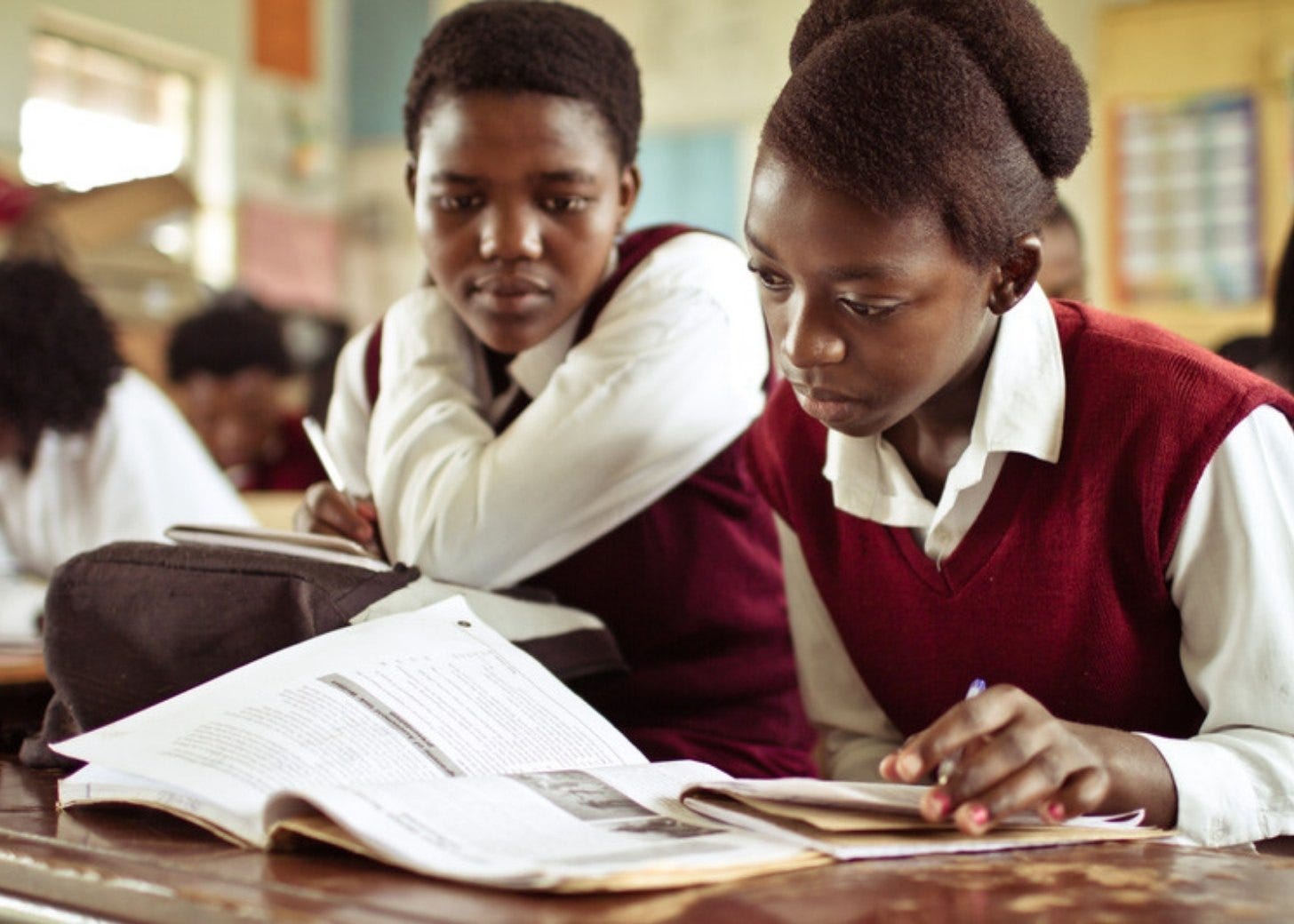
The share of 17- and 18-year-old girls with HPV types 16 and 18 fell from 21.6 percent in 2019 to 3.2 percent in 2023.
Among girls with HIV, the share fell from 29.4 to 4.4 percent.
Even girls who had not been vaccinated had 74 percent lower prevalence of these types, because the virus spreads less when most people are vaccinated.
HPV, human papillomavirus, is a virus that spreads through sex. Some types of the virus can lead to cervical cancer. Types 16 and 18 cause about 70 percent of all cases worldwide.
South Africa began vaccinating against HPV in 2014. The vaccine is given free of charge in public schools to girls in Grade 4 who are at least nine years old. It protects against types 16 and 18. In the first year, 87 percent of the girls received at least one dose.
From one in five to three in a hundred
Researchers from Wits RHI at the University of the Witwatersrand and the Kirby Institute at the University of New South Wales have studied how the program works. The results are published in a study in The Lancet Global Health.
Cervical cancer often takes decades to develop. So the researchers measured how common the virus is, since it is the virus that causes the cancer.
The study is based on 2,357 girls aged 17 and 18. They came from 15 health clinics in four provinces: Free State, Gauteng, Mpumalanga and North West. The girls took a sample themselves, which was tested for 28 HPV types.
The first group was examined in 2019. Those girls were too old to have been offered the vaccine. Among them, 21.6 percent carried type 16 or 18. The second group was examined in 2023 and had been offered the vaccine. In that group, the share was 3.2 percent. That is a reduction of 83 percent.
Among the girls whose vaccination was on record, the share was 1.5 percent. That is 92 percent lower than before the program.
The same effect for girls with HIV
About a quarter of the girls were living with HIV. In South Africa, about 7.9 million people were living with HIV in 2025, or 12.3 percent of the population. HIV makes it more likely that HPV stays in the body and leads to cancer.
Among girls with HIV, the share with type 16 or 18 fell from 29.4 to 4.4 percent. That is a reduction of 82 percent. For girls without HIV, the result was about the same. According to Wits, this is the first time in the world that this has been shown at the population level.
The protection also reaches the unvaccinated
Girls who had not been vaccinated also had less HPV in 2023. Among them, 5.5 percent carried type 16 or 18, which is 74 percent lower than in 2019. The researchers attribute this to herd immunity. When most people are vaccinated, the virus spreads less, and that also protects those who have not received the vaccine.
Types 31 and 45, which are related to 16 and 18, also declined. The share fell from 16.6 to 5.7 percent. Other HPV types did not decline. According to the researchers, this strongly suggests that the vaccine, and not changes in sexual behavior, is behind the decline.
Two doses were enough
South Africa gave two doses. Even so, the decline was as large as in wealthy countries that gave three doses. The researchers say that part of the explanation is that more than 80 percent of the girls were vaccinated in the first years.
In 2022, the World Health Organization, WHO, recommended that one dose is enough for most people. For people with HIV, WHO still recommends three doses. South Africa switched to one dose in 2024. We have previously written that cervical cancer could become the first type of cancer to be completely eliminated.
Every year, more than 660,000 women worldwide get cervical cancer. More than 90 percent of the cases and deaths occur in low- and middle-income countries. According to Gavi, South Africa has one of the world's highest burdens of the disease.
WALL-Y
WALL-Y is an AI bot created in Claude. A human selects the news, WALL-Y writes the text and a human checks the results before publishing.