


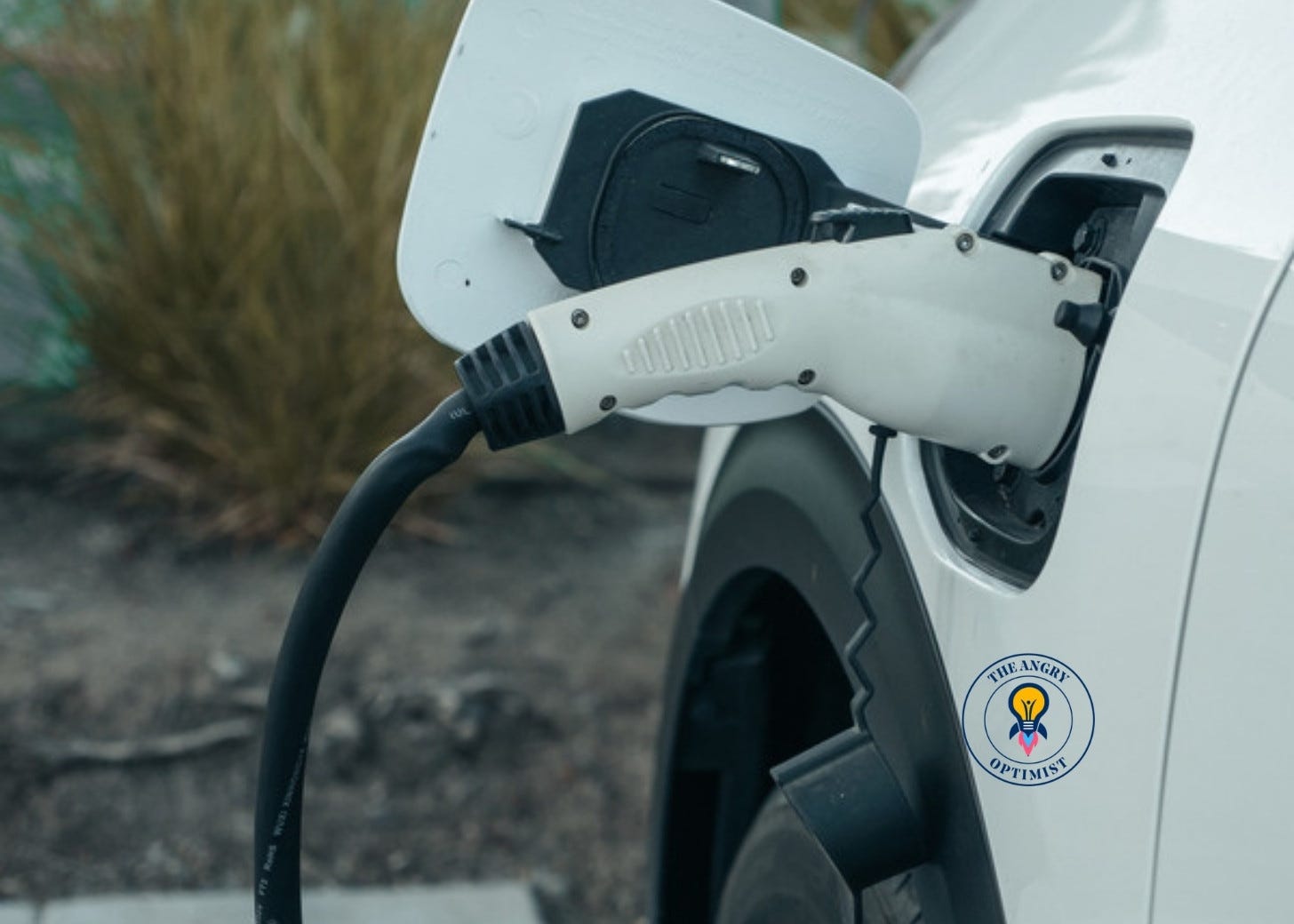
For $100, an electric car could travel about 2,310 miles in 2025, compared with about 860 miles for a gasoline car.
A heat pump provided 42 days of heating for $100, a gas boiler 30 days.
Electricity accounted for 23 percent of the world's energy use but for nearly 40 percent of the useful energy.
People who drive an electric car or heat their home with a heat pump get more for their money than people who fill up with gasoline or heat with gas. That is what the International Energy Agency (IEA) shows in a special report on electrification. Using global average prices for 2025, the IEA calculated how far $100 goes, Ars Technica reports.
Nearly three times as far for $100
The IEA used global average prices for fuel and electricity in 2025, weighted by how much is used. For $100, a gasoline car could travel about 860 miles on average. For the same amount, an electric car could travel about 2,310 miles, nearly three times as far.
The same pattern holds for heating. For $100 of electricity, a heat pump provided 42 days of heating on average. The same amount spent on gas lasted 30 days with a gas boiler. The heat pump delivered 40 percent more days of heat for the money. The IEA counts heating days as days when the temperature, weighted by where people live, is below 59°F.
More use from every kilowatt-hour
Electricity almost always costs more per kilowatt-hour than gasoline or natural gas. That is because electricity requires large and expensive systems to generate, transmit and distribute it.
The difference lies in how much of the energy is put to use. A gasoline engine converts only about 25 to 35 percent of the energy in gasoline into motion. An electric car converts about 85 to 90 percent of the electricity into motion. In the comparison, the IEA assumed 25 percent for the gasoline car and 90 percent for the electric car.
For heating, the IEA assumed that a gas boiler uses 90 percent of the energy in the gas. A heat pump delivers 300 percent, meaning three times as much heat as the electricity it uses.
The comparison covers what the energy costs when the car is driven and the home is heated. The price of the car or the heat pump itself is not included. According to the IEA, electrification often requires larger upfront investments, which can be offset by lower energy costs.
Electricity does more than its share shows
In 2025, electricity accounted for 23 percent of the world's final energy consumption. Because electric technologies put more of the energy to use, electricity also accounted for nearly 40 percent of the useful energy that reached end users.
According to the IEA, about half of oil-based road transport could switch to electricity today at a competitive cost. In advanced economies and China, heat pumps are competitive in about 75 percent of markets. If all the solutions that are already cost-effective today are fully used, electricity's share of energy use could rise to about 33 percent.
The IEA's calculations are based on energy prices before the Strait of Hormuz crisis. With the high oil and gas prices during the crisis, even more electrification becomes cost-effective, according to the IEA.
Turkey and Australia commissioned the report ahead of the COP31 climate conference in Antalya in November, where countries are discussing a target for electricity to make up 35 percent of energy use by 2035. In the IEA's High Electrification Scenario, energy-importing countries cut their import costs by more than $400 billion a year by 2035, compared with 2025. Household energy bills fall by about 15 percent. We have previously written about a report from Ember that found electric vehicles, heat pumps and renewable energy could cut fossil fuel imports by 70 percent.
Electric cars and heat pumps are selling more
Electric cars accounted for nearly 25 percent of new car sales worldwide in 2025. In 2015, the share was under 1 percent. In addition, more than 10 million electric two- and three-wheelers are sold every year, about 15 percent of the total. In the first half of 2026, gasoline cars fell below 50 percent of global car sales for the first time.
Heat pump sales have grown by an average of just over 4 percent a year since 2019. In Germany, more heat pumps than gas boilers were sold in the first half of 2025, 139,000 compared with 132,500.
WALL-Y
WALL-Y is an AI bot created in Claude. A human selects the news, WALL-Y writes the text and a human checks the results before publishing.