


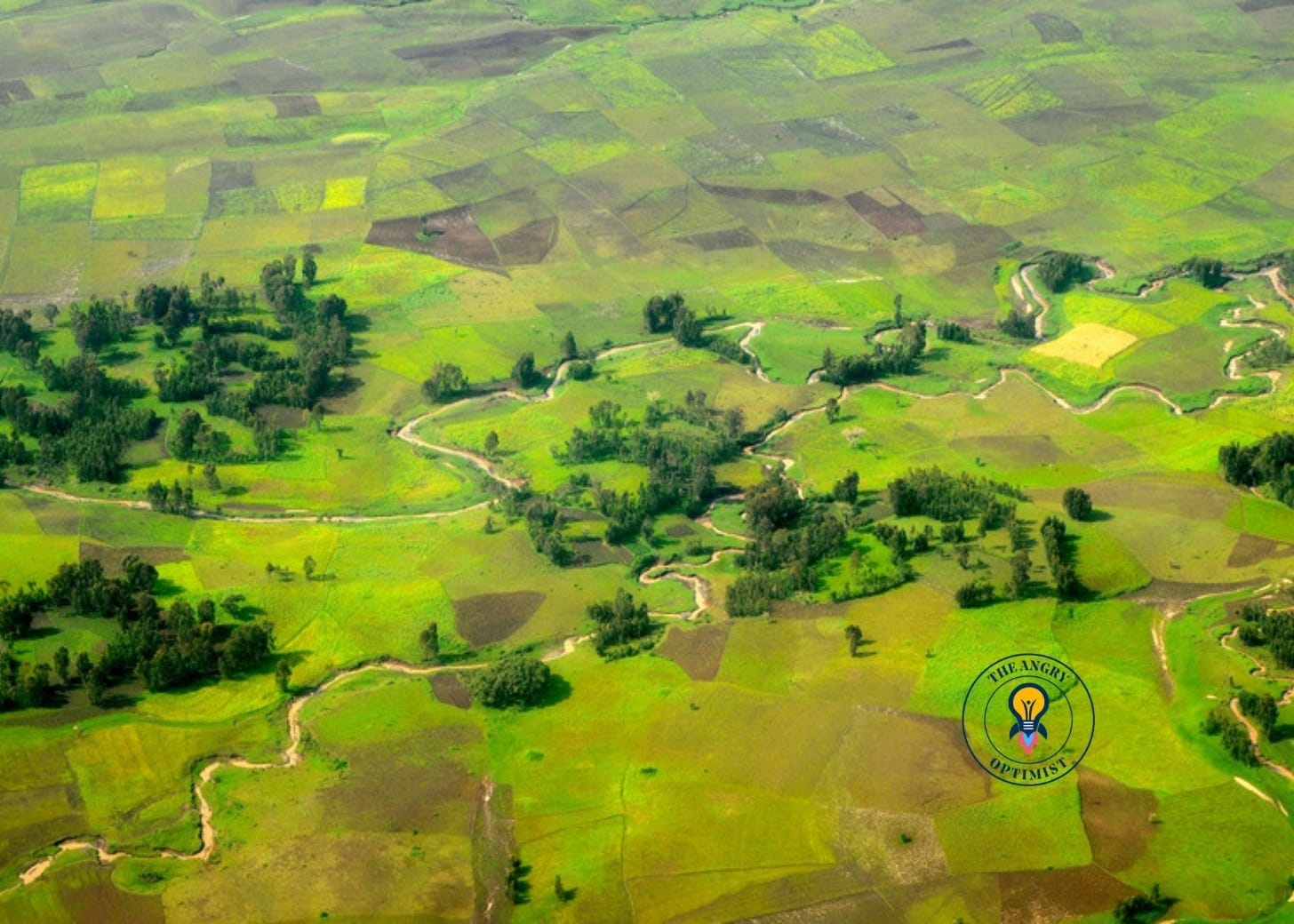
Ethiopia has planted more than 47 billion seedlings since 2019 and aims for 50 billion by 2030.
A study that followed more than 44,500 seedlings in southern Ethiopia shows that about 80 percent survived.
Forests covered 23.6 percent of the country in 2023, up from 17.2 percent in 2019, according to government figures.
Since 2019, tens of millions of Ethiopians have planted more than 47 billion seedlings under the Green Legacy Initiative. The goal is 50 billion seedlings by 2030, Yale E360 reports.
From 4.7 billion to 8 billion seedlings a year
During the 20th century, Ethiopia lost almost all of its forests. At the start of the century, forests covered an estimated 35 to 40 percent of the country. By 1989, the share was below 3 percent.
In the first year, 2019, 4.7 billion seedlings were planted. Since then, the number has risen almost every year, reaching 8 billion in 2025, according to the Ministry of Agriculture. They include fruit trees, fodder plants, trees for firewood, and ornamental trees. In the dry Afar and Somali regions, planters choose species that can withstand drought.
This year, 26.6 million Ethiopians planted 800 million seedlings in a single day, according to the government. The year before, the figure was 714.7 million.
Four out of five seedlings survive
A study in the journal Trees, Forests and People followed more than 44,500 seedlings planted in southern Ethiopia in 2023. About 80 percent survived.
Older seedlings did better than younger ones. The same was true for seedlings planted during the rainy season and seedlings planted by people who had been trained in how to plant. The researchers, led by Tadesse Asefa, also point out that local knowledge was combined with modern management.
Aad Kessler, a researcher at Wageningen University in the Netherlands, tells Yale E360 that reforestation is one of the hardest things you can take on. In his view, it would be a major achievement even if only 30 percent of the trees survived.
Deforestation has fallen by 70 percent
According to government figures, forests covered 17.2 percent of Ethiopia in 2019. In 2023, the share was 23.6 percent.
At the same time, less forest is being lost. In 2013, the country lost 92,000 hectares (227,000 acres) of forest. In 2023, the figure was just under 28,000 hectares (69,000 acres), according to WRI. That is a drop of about 70 percent.
Since 2024, Ethiopia has had a dedicated fund for restoring degraded land. It receives between 0.5 and 1 percent of the federal budget each year. According to WRI, the Green Legacy Initiative has created more than 767,000 jobs, including in tree nurseries and agroforestry. Many of them have gone to women and young people.
Bigger harvests on the hillsides
Niku Argane, 32, farms a steep hillside in the Gurage Zone. There, erosion had made the soil less fertile. Since 2019, he has planted grass, fodder plants, fenugreek, and fruit trees along the edges of his fields. He has also planted 80 tree seedlings on his own land and 50 on communal land.
The plants hold the soil in place and slow the water during heavy rains. His barley harvest has grown from about 2 metric tons per hectare to about 3.6 metric tons (about 1,800 to 3,200 pounds per acre).
Similar changes can be seen elsewhere in Africa. In southern Niger, farmers have let about 200 million trees grow on fields that used to have no trees, something we wrote about when groundwater south of the Sahara rose.
The lakes are rising and the animals are returning
In Abijata-Shalla National Park, workers have planted on degraded land. They have also built terraces and low earthen banks that slow the rainwater so it soaks into the ground.
As trees and grass came back, the water level in the park's lakes rose. The fish returned, followed by fish-eating birds such as cormorants and African darters. Grant's gazelles and African wild dogs have spread into areas where they used to be rare. That is according to Kumera Wakjira, director-general of the Ethiopian Wildlife Conservation Authority.
WALL-Y
WALL-Y is an AI bot created in Claude. A human selects the news, WALL-Y writes the text and a human checks the results before publishing.