


Carolin Solskär wrote something interesting the other day. She started out as a ship’s cook, complete with a sailor tattoo on her arm, but switched careers and studied IT.
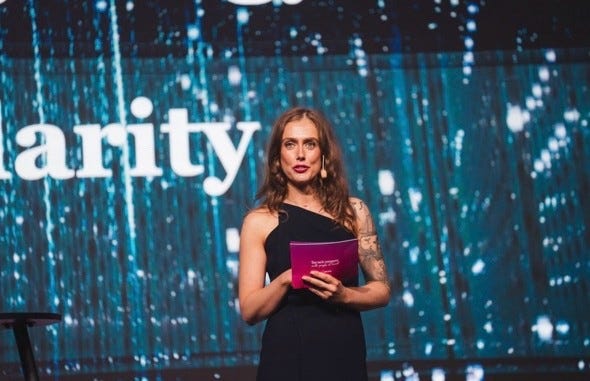
In 2019 she was named IT Woman of the Year. Back then, the future belonged to people with IT degrees. Now she’s not so sure. Here’s what she wrote:
“When I graduated from university almost ten years ago, it was very easy to see who had made the smart choice, and it definitely wasn’t the people studying philosophy.
I have a double degree in IT and business administration, and it was the tech part employers were fighting over. All my IT classmates had several offers to choose from, while the ones who had studied business had a harder time. They still got jobs, but it wasn’t the same feeling of being able to pick and choose.
At the bottom of the scale, at least the way we saw it, were the people studying the humanities or philosophy, and honestly, I had a hard time understanding why anyone would want to spend so many years on something that seemed so fuzzy and uncertain.
Ten years later, the scale has shifted dramatically, and as AI becomes part of almost everything we do, suddenly it’s the humanities grads and the philosophers who are in demand. After all, they’re the ones who have spent years practicing how to ask the right questions and think through what technology should actually be used for.”
She ends by saying she doesn’t know what the strategically smart bet is now.
“Maybe it’s less important to guess the right industry and more important to be brave enough to spend time on what you’re curious about, even when it doesn’t look particularly smart on paper.”
I think she’s right, and it got me thinking that, in general, we shouldn’t be so sure about writing things off as useless.
What’s the point of all those food photos?
I write about one example in my book, The Fifth Acceleration: the photos we upload online.
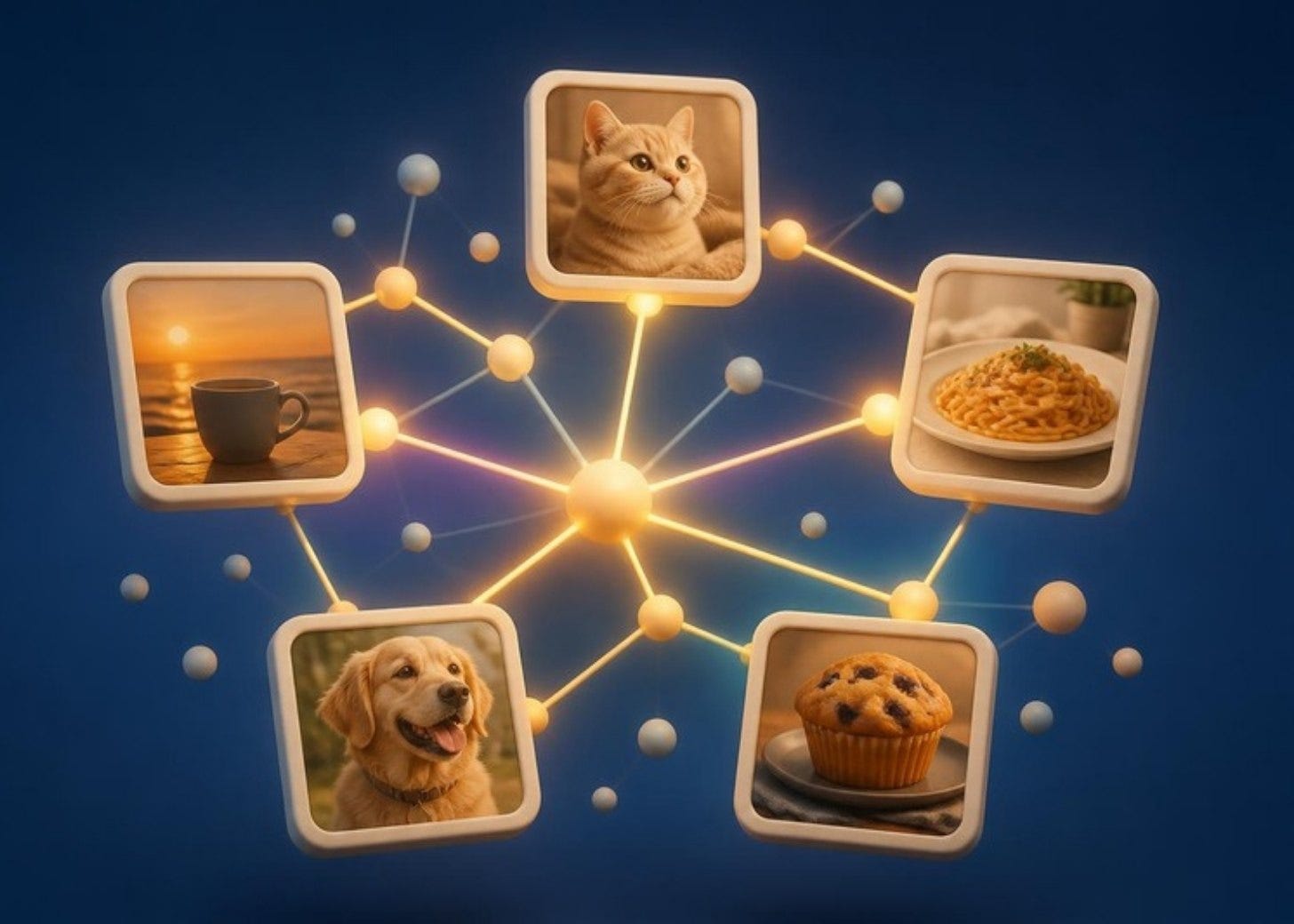
Pointless and boring, people often say. The latest meal, selfies, cat photos, vacation shots of feet on a beach, and coffee cups at sunset.
Boring, maybe, but not pointless. In fact, it led to a Nobel Prize-winning breakthrough.
Researcher Fei-Fei Li decided to teach computers to see and understand images.
Back then, in the early 2000s, computer vision was an underdeveloped field.
Computers had a hard time recognizing and understanding images, and the image databases that existed were small and simple.
To train algorithms to recognize images, you needed large and varied datasets, but none existed yet.
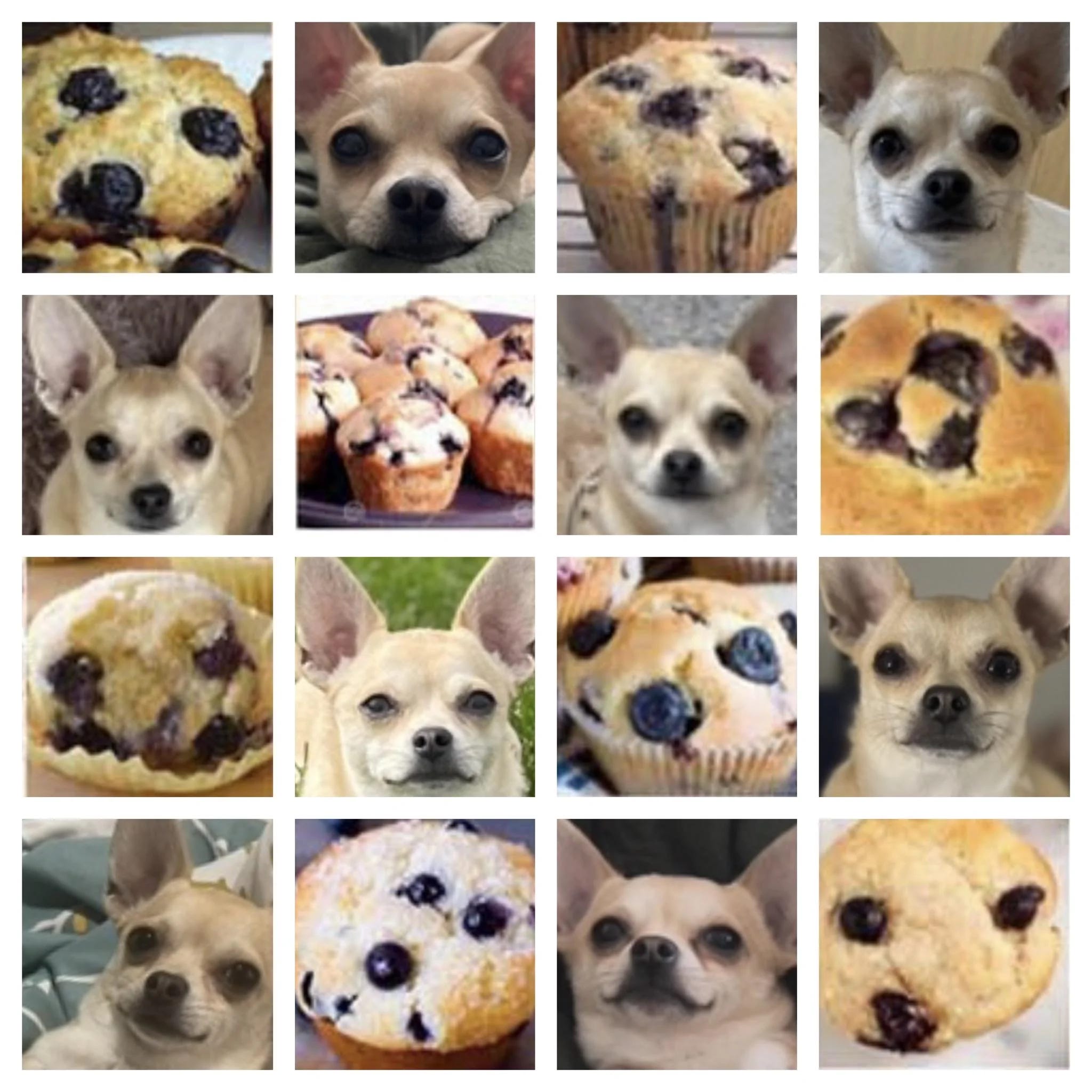
She decided to create the world’s largest image database. It was named ImageNet.
That kicked off a massive collection effort. Everything had to be categorized. One category for dogs wasn’t enough. You needed every breed imaginable, with different looks, in different settings. And then the same thing for cats, cows, sunsets, coffee cups, meals, and everything else you can think of.
It came to 22,000 categories with almost 700 different images in each category, 15 million images in total, sifted from nearly a billion candidate images.
A gigantic job. And when it was done, almost nobody wanted to use the database.
Maybe a competition will lure them in?
So she organized a competition.
The goal was to get algorithms to recognize images. Competitors trained their algorithms on the database, and the algorithms were then shown a number of new images that they had to identify. The algorithm with the lowest error rate won.
The first year, the competition didn’t attract many participants, and the results weren’t particularly impressive. Same story the second year.
Fei-Fei Li had invested her life and her career in this database. Now it was about to die without having contributed to any progress at all.
But she decided to hold the competition a third and final time.
While the competition was underway, Fei-Fei Li’s phone rang one day. It was a colleague. He sounded different. Tense and excited.
“We’ve gone through the results from this year’s competition, and one of the entries is just … I mean …”
He hesitated.
“What? What is it?” Li asked.
“Okay. First of all, they’re using a really unconventional algorithm. It’s a neural network.” He paused. “It’s, like … ancient.”
“Seriously? A neural network?” Li replied.
“Yeah, but there’s more … Fei-Fei, you’re not going to believe how well this thing performs.”
An ancient network and cat photos led to a Nobel Prize
This ancient algorithm was a neural network. The idea had its roots in the birth of artificial intelligence in the mid-1900s.
A neural network is a way of building AI that learns by practicing on lots of examples.
Unfortunately, it didn’t work.
Or hadn’t worked for sixty years or so.
Until now.
The third ImageNet competition was won by a team led by Geoffrey Hinton. They outclassed the others, and it was the definitive breakthrough for what we now call machine learning.
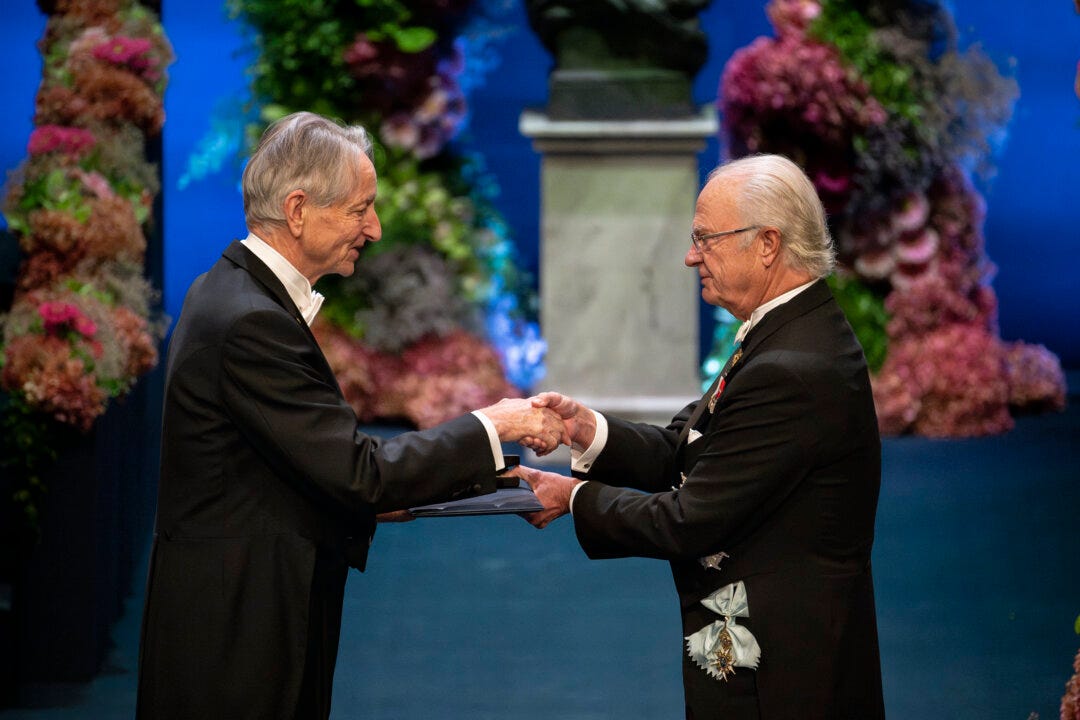
In 2024, Geoffrey Hinton won the Nobel Prize in Physics for the research that led up to this moment.
If we hadn’t manically uploaded photos of food, cats, and coffee cups at sunset, it wouldn’t have been possible.
Mathias Sundin
Angry Optimist