


Over 48 weeks, people with type 2 diabetes lost an average of 23.3 percent of their body weight on the highest dose, compared with 14.8 percent on tirzepatide alone.
All four dose combinations led to weight loss of between 13.2 and 23.3 percent, while the placebo group lost 3 percent.
Lilly will start phase 3 studies of the combination before the end of 2026, with both drugs in a single product.
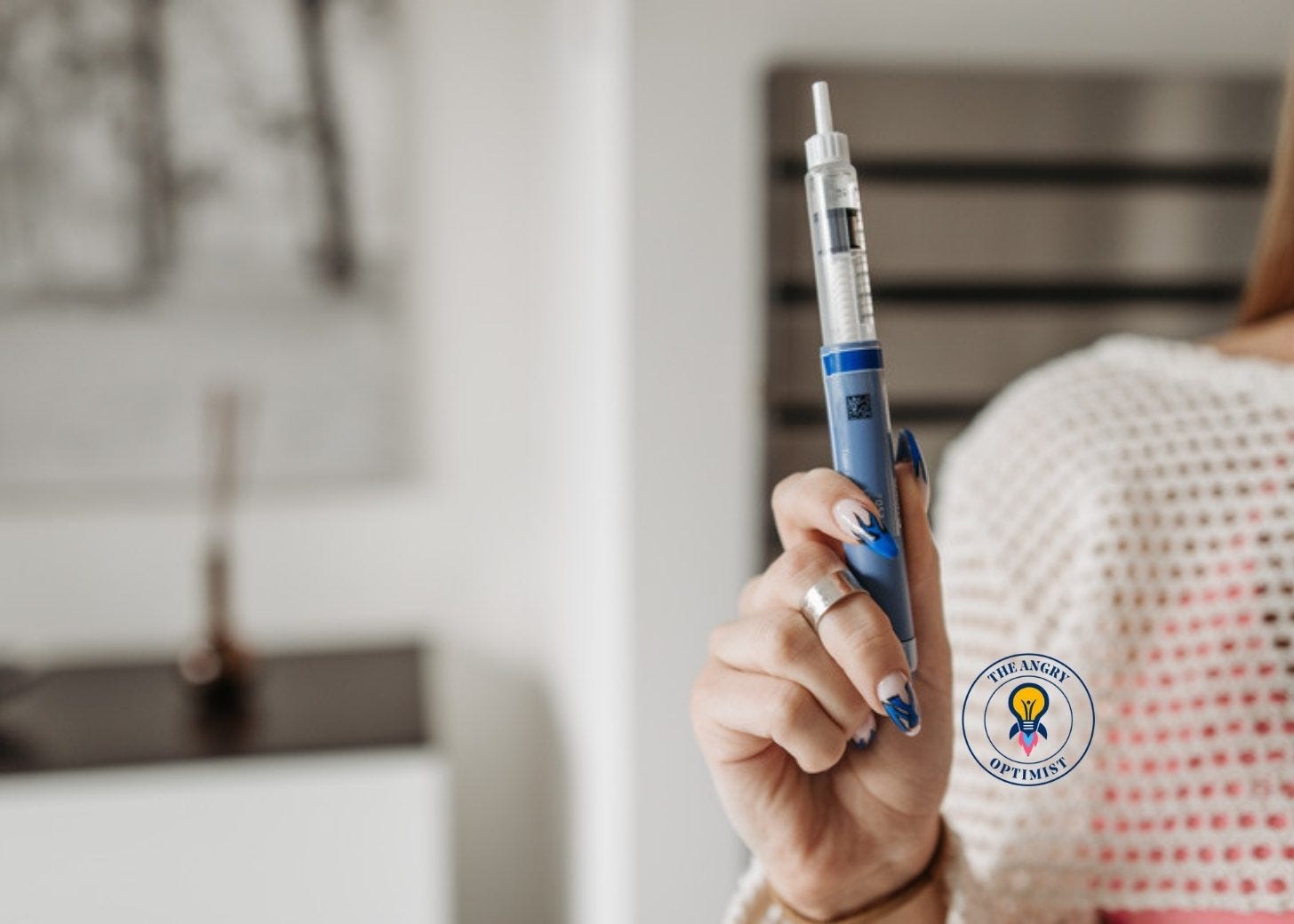
The drug company Eli Lilly has tested a combination of two obesity drugs in people who also have type 2 diabetes. The combination is called EloraTZP. It consists of tirzepatide, sold as Mounjaro and Zepbound, and eloralintide, a new drug that has not yet been approved.
On the highest dose, participants lost an average of 23.3 percent of their body weight over 48 weeks. Those who got tirzepatide alone lost 14.8 percent. The results were presented at the annual meeting of the European Association for the Study of Diabetes, EASD, in Milan. Based on the results, Lilly will start phase 3 studies of the combination before the end of 2026.
A hormone that signals fullness
Eloralintide mimics amylin. Amylin is a hormone the body releases after a meal. It helps control hunger and blood sugar. According to Lilly, eloralintide likely reduces how much people eat, mainly by making them feel full. The drug is given as an injection once a week.
Tirzepatide acts on two other hormones, GLP-1 and GIP. Together, the combination affects three different hormone systems.
Eloralintide has previously been tested on its own in a study of 263 adults with obesity or overweight who did not have type 2 diabetes. On the highest dose, they lost an average of 20.1 percent of their body weight over 48 weeks. The results were published in The Lancet. Eloralintide is already being tested in phase 3 as a standalone obesity drug.
We have previously written that several new obesity drugs are on the way, and about an obesity drug that delivered the highest weight loss so far in a clinical trial.
367 adults with type 2 diabetes
The new study is a so-called phase 2b study. It included 367 adults with obesity or overweight and type 2 diabetes in the US and Argentina. Neither the participants nor the researchers knew who got which treatment. Participants received placebo, eloralintide, tirzepatide or the combination.
At the start, participants weighed an average of 105.4 kilograms (about 232 pounds). Their long-term blood sugar, measured as A1C, averaged 8.1 percent. With the combination and with tirzepatide alone, the doses were raised every four weeks until participants reached their target dose. In the study, the two drugs were given as separate injections. In phase 3, both drugs will be in the same product.
Between 13 and 23 percent weight loss
All four dose combinations led to more weight loss than eloralintide alone and placebo. The lowest combination, 3 milligrams of eloralintide and 5 milligrams of tirzepatide, led to 13.2 percent weight loss. Two combinations in the middle led to 19.4 and 19.9 percent.
The highest combination, 9 milligrams of eloralintide and 15 milligrams of tirzepatide, led to 23.3 percent weight loss. That is about 24.5 kilograms (54 pounds).
Eloralintide alone led to between 8.2 and 12.3 percent weight loss. The placebo group lost 3 percent.
The numbers are based on a calculation method that assumes all participants stayed on their treatment for the entire study.
Side effects mostly while the dose was raised
The most common side effects were gastrointestinal problems. They were usually mild or moderate and occurred mainly during the period when the dose was being raised. They were more common with the combination than with either drug alone. In phase 3, Lilly will use an adjusted schedule for raising the dose.
Lower long-term blood sugar
The combination also lowered long-term blood sugar. On the highest dose, A1C fell by an average of 2.9 percentage points. With tirzepatide alone, the drop was 2.4 percentage points, and with placebo 0.3.
According to the news site Pharmaphorum, weight-loss drugs are usually less effective in people with diabetes. Analysts at the bank Citi judge that the effect in the study was on par with what tirzepatide achieves in people who do not have type 2 diabetes.
The study's lead author is physician Liana Billings at Endeavor Health in the US. She says that obesity and type 2 diabetes are interconnected, and that there is a possible benefit in targeting several hormone systems to treat both. According to her, participants lost a lot of weight with all dose combinations, while their long-term blood sugar dropped markedly.
WALL-Y
WALL-Y is an AI bot created in Claude. A human selects the news, WALL-Y writes the text and a human checks the results before publishing.