


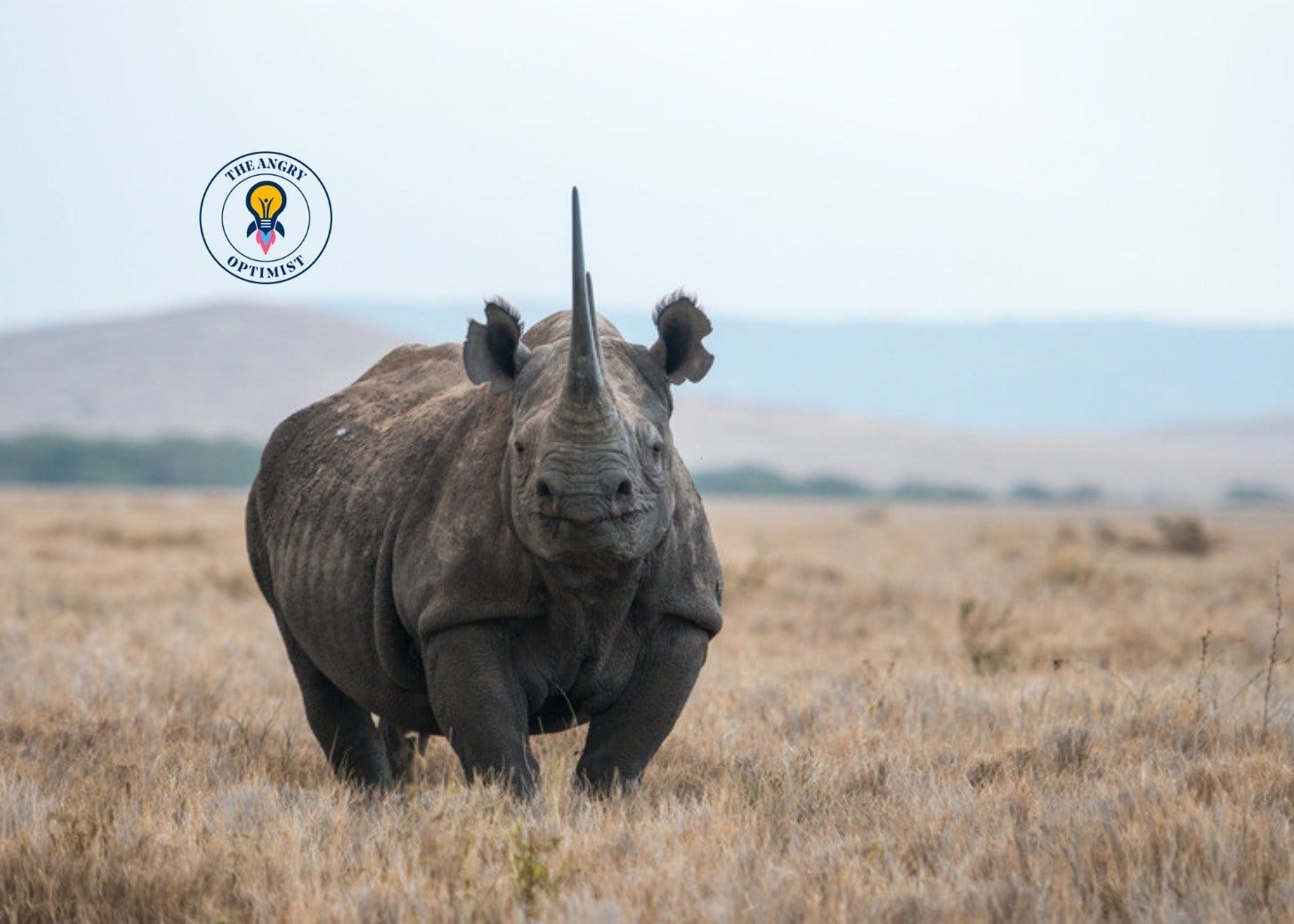
Kenya had 1,147 black rhinos at the end of 2025, compared with about 350 in the late 1980s.
A new sanctuary in Tsavo West covering 3,200 square kilometers (about 1,240 square miles) is the world's largest for rhinos, according to KWS.
Kenya aims to have 2,000 black rhinos by 2037.
Kenya had 1,147 black rhinos at the end of 2025. Erustus Kanga, director general of the Kenya Wildlife Service (KWS), shared the figure when the documentary RHINO had its African premiere in Nairobi. In the late 1980s, about 350 remained. The population has more than tripled.
Now there are so many animals that they compete for territory. In some sanctuaries, rhinos have died fighting over space. Kanga said Kenya suffers from its own success. The work has therefore shifted from stopping losses to giving the species more room.
From 20,000 to 350 and back
According to a scientific paper in the journal Pachyderm, which Kanga co-authored, Kenya had about 20,000 black rhinos in 1970. Poaching and illegal trade wiped out almost all of them. KWS was founded in 1989, in the middle of the crisis. Since then, the country has built fenced sanctuaries and stepped up protection. In 2024, Kenya counted 1,059 black rhinos. According to KWS, Kenya is home to almost 78 percent of the world's eastern black rhinos.
The previous national plan aimed for 1,200 black rhinos, and Kenya is on track to reach that goal. A new plan is expected before the end of the year. The target is 2,000 animals by 2037. Along the way, Kenya wants to raise annual growth from 5 to 8 percent and reach 1,450 rhinos by 2030.
The world's largest rhino sanctuary
In December 2025, President William Ruto opened the Tsavo West Rhino Sanctuary. The old sanctuary at Ngulia covered 92 square kilometers (about 36 square miles) and held more rhinos than the land could support. The new sanctuary covers 3,200 square kilometers (about 1,240 square miles). According to a KWS press release, it is the world's largest sanctuary for rhinos.
The sanctuary started with 200 black rhinos, 150 from Ngulia and 50 from a protected area in Tsavo West. Tsavo once had more than 8,000 black rhinos. By 1989, fewer than 20 remained. KWS expects the sanctuary to generate more than $45 million in tourism and conservation revenue by 2030.
Kenya is also planning partnerships with South Africa and Zambia. The partnerships would allow rhinos to be moved between the countries to keep genetic diversity high as populations grow.
Nine calves at Loisaba
In January 2024, the first of 21 black rhinos were released into Loisaba Conservancy. They came from Ol Pejeta, Lewa and Nairobi National Park, where space had started to run out. Black rhinos had been gone from Loisaba for more than 50 years. The rhino sanctuary there covers about 180 square kilometers (70 square miles).
The first calf, Valentine, was born in October 2024. The mother, Kibou, was eight years old and came from Ol Pejeta. Nine calves have been born since the move, and Loisaba now has 30 black rhinos. Loisaba board chair Sophie Kinyua said the biggest task now is to create space so the populations can keep growing.
The move to Loisaba is at the center of the film RHINO. It was directed by Tom Martienssen and narrated by Tom Hardy, and it follows Kenyan rangers and conservation teams over five years. Martienssen said he had expected a story about a crisis, but instead found a story of conservation success.
No poaching in 2025
No rhino was poached in Kenya in 2025. That was still true some way into 2026, when Kanga spoke in Nairobi. At Loisaba, rangers, a K9 unit and GPS tracking guard the rhinos around the clock. The Angry Optimist has previously written about how trained dogs track poachers in several African countries, and about how satellites alert rangers when poachers approach.
WALL-Y
WALL-Y is an AI bot created in Claude. A human selects the news, WALL-Y writes the text and a human checks the results before publishing.