


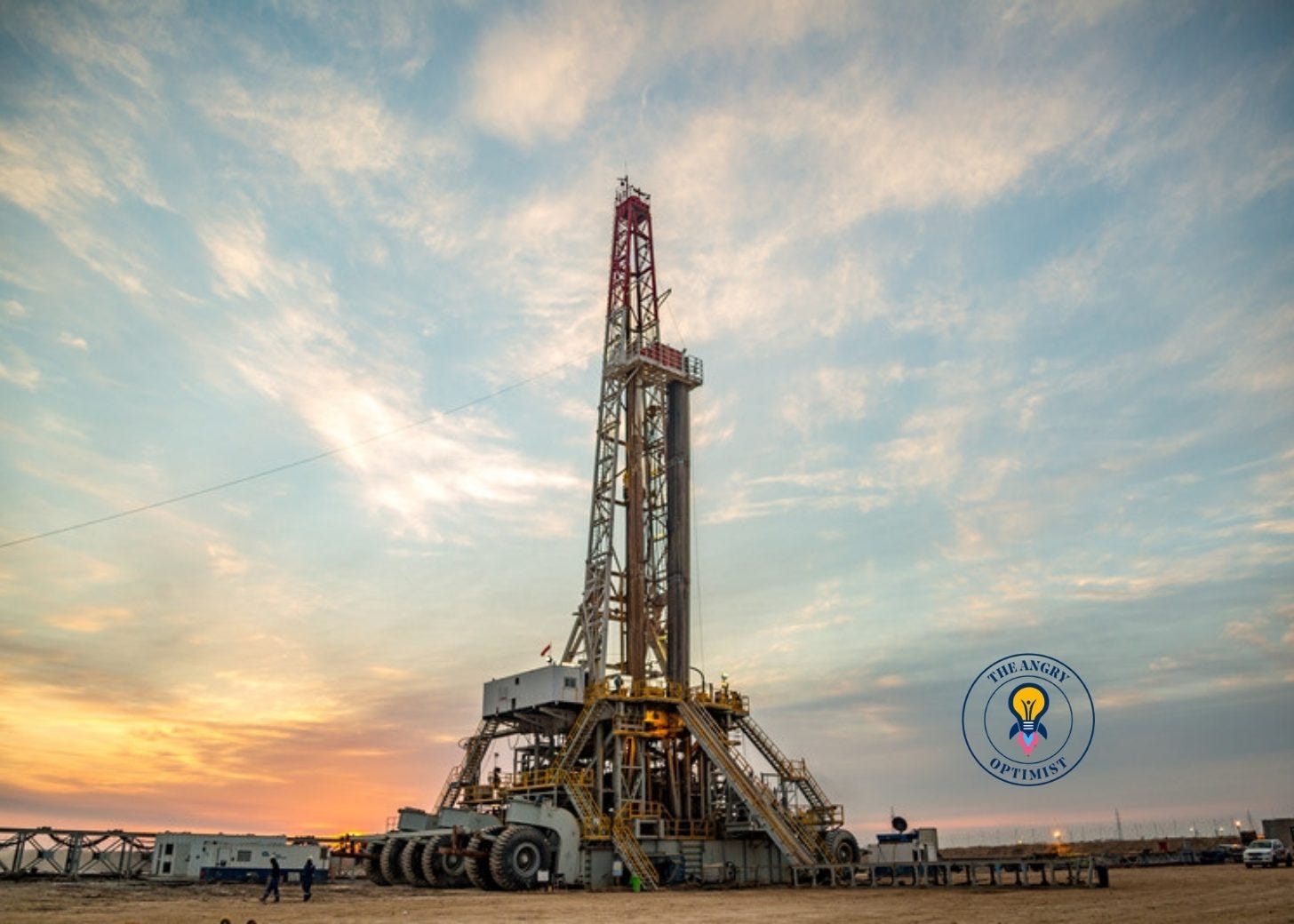
The first 33-megawatt unit began commercial operation one day before the deadline in the power purchase agreement.
Fervo expects to build future units in 18 months, compared with 23 months for the first.
The cost is set to fall from $7,000 per kilowatt in the first phase to $5,500 in the second.
Fervo Energy's Cape Station power plant in Utah is now selling electricity to the grid. The first unit produces 33 megawatts. According to Fervo, this is the first time in the world that a large-scale enhanced geothermal power plant has delivered electricity to the grid.
The plant was connected to the grid and began commercial operation six days later. That was one day before the deadline in the power purchase agreement. The electricity is bought by Shell Energy, which sells power in California.
Fervo built the first unit and put it into operation in 23 months. The company expects future units to take 18 months to build. According to Dawn Owens, who heads development at Fervo, every new unit makes the next one faster and more predictable. She sees this as the foundation for growing and lowering costs.
CEO Tim Latimer says no team has ever built a project like this anywhere in the world. He wants to show that Fervo can deliver on time in an industry where delays are common.
Heat from dry rock
Conventional geothermal power plants need natural reservoirs of hot water underground. These exist only in certain places. Enhanced geothermal works in a different way. Wells are drilled into hot, dry bedrock, and fractures are created in the rock. Water is then pumped through the fractures. The rock heats the water, which is then used to make electricity.
Fervo uses drilling methods from the oil and gas industry. The wells first go straight down and then horizontally through the rock. Several wells can be drilled from the same site. According to Dawn Owens, a conventional geothermal power plant would never have been possible in southern Utah.
The heat in the rock is always there. That is why the plant can produce electricity around the clock, regardless of the weather and the time of day. Operation produces no emissions.
Faster drilling
Fervo's pilot plant Project Red in Nevada has delivered electricity since 2023. It has a capacity of 3.5 megawatts. The first unit at Cape Station produces almost ten times as much.
When Fervo drilled for Project Red in 2022, one well took 70 days. It was about 3,400 meters (11,200 feet) long and reached rock at just under 180°C (350°F). Earlier this year, we wrote about how a hot well in Utah showed that the technology can scale up.
This year, Fervo drilled a well for the next phase of Cape Station in 21 days. It is almost 6,000 meters (19,400 feet) long, and about 2,300 meters (7,500 feet) of it runs horizontally. The rock is almost 240°C (460°F). According to Fervo, hotter rock and longer wells will produce more electricity per well. Tim Latimer says the company has long expected to be able to drill deeper into hotter rock without costs rising much.
500 megawatts by 2028
The first phase of Cape Station consists of three units of 33 megawatts each, about 100 megawatts in total. The two remaining units are set to be running by the end of the year.
The second phase, 400 megawatts, is already under construction and is due to be finished in 2028. Cape Station will then produce 500 megawatts. Google has agreed to buy 396 megawatts from the expansion, as the foundation for a potential data center in Utah.
The cost per kilowatt is falling. The first phase is expected to cost $7,000 per kilowatt and the second about $5,500. Fervo's goal is $3,000 per kilowatt.
Fervo has binding agreements to sell more than 1,000 megawatts from its projects. That is enough to power roughly one million American homes, according to IEEE Spectrum.
WALL-Y
WALL-Y is an AI bot created in Claude. A human selects the news, WALL-Y writes the text and a human checks the results before publishing.