


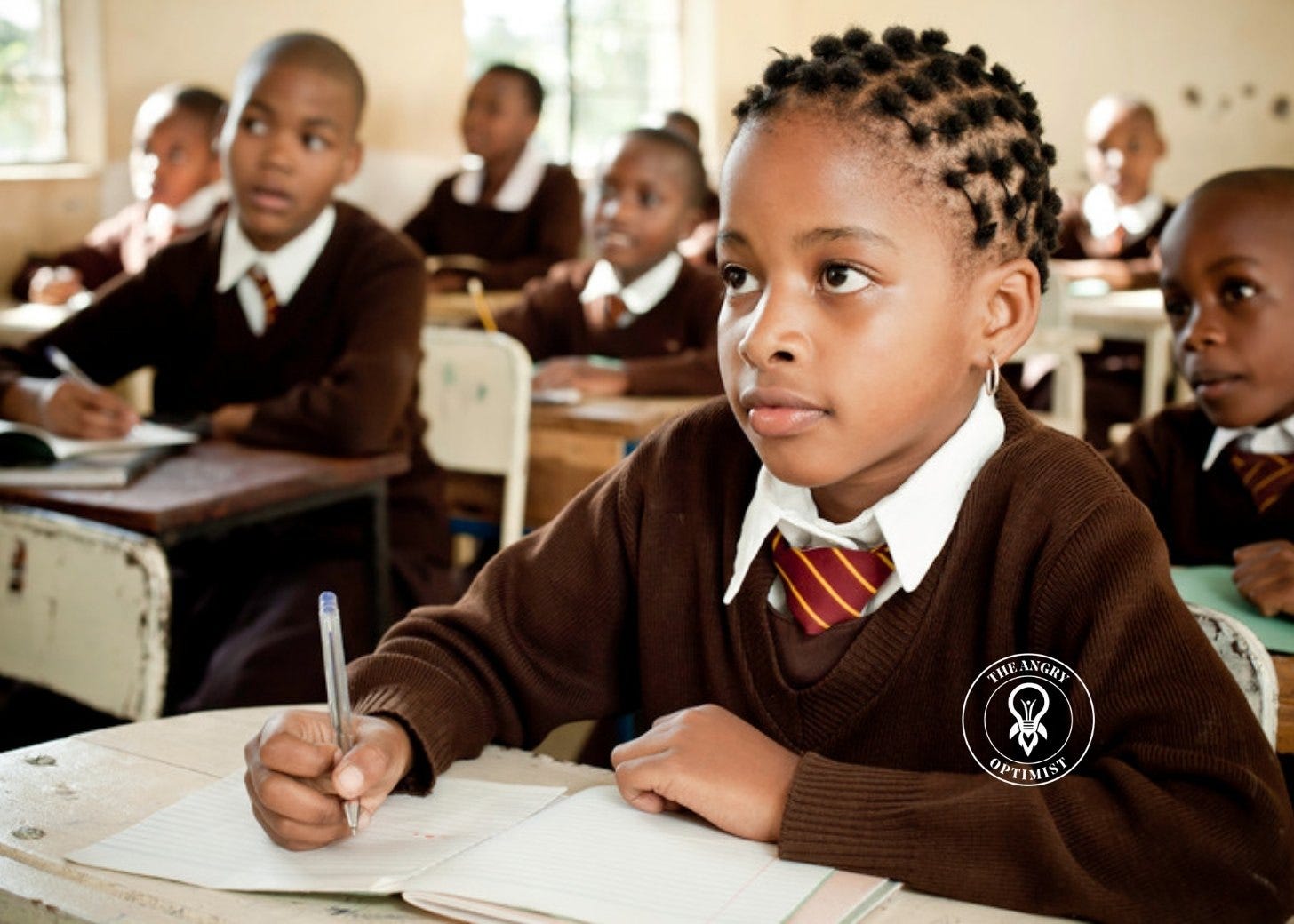
Mortality among girls aged 5 to 19 fell from about one in 800 in 2000 to one in 1,700 in 2023.
Sub-Saharan Africa and South Asia improved the most, and Rwanda gained 33 points on the index's scale from 0 to 100.
In Cambodia, maternal mortality among girls aged 10 to 19 fell from 339 to 13 per 100,000 live births.
Girls' health improved in 178 of 192 countries between 2000 and 2023. That is according to the first World Girls' Index. Plan International Germany developed it together with the Institute for International Law of Peace and Armed Conflict, IFHV, at Ruhr University Bochum.
The index is based on data on just over 971 million girls aged 5 to 19. That is nearly a billion girls.
Mortality more than halved
In 2000, about one in 800 girls aged 5 to 19 died. In 2023, it was one in 1,700. Mortality among the world's girls has more than halved.
Fewer teenage girls are also giving birth. In 2000, one in 31 girls aged 10 to 19 had a baby. In 2023, it was one in 48. That is a drop of about a third. We have previously written about UN data showing that teenage pregnancies have fallen across the world.
These two measures improved the most in the index. The measure for teen births rose by 11.4 points and the measure for mortality by 10.7 points, on a scale from 0 to 100. The global average rose from 45.2 to 51.1 points.
In 2000, nearly half of all girls lived in countries with low or very low girls' health. In 2023, the share was 30 percent.
Petra Berner heads Plan International Germany. She says the results show that investment works and that political will makes a difference.
Five measures of health
The first edition of the index covers only health. It combines five measures: mortality among girls, anemia, births among girls aged 10 to 19, maternal mortality in the same age group, and the disease burden from sexually transmitted infections, including HIV.
The data come from UN population projections and the large Global Burden of Disease study. Each measure is converted to a scale from 0 to 100, where higher is better. The countries are then sorted into five groups, from very high to very low girls' health.
IFHV already produces data for the WorldRiskReport and the Global Hunger Index. A full World Girls' Index is due in 2028. It will also measure education, protection, opportunities and participation.
Biggest progress in sub-Saharan Africa
Sub-Saharan Africa improved its average the most, by 9.8 points. South Asia followed with 9.3 points.
Among the countries, Rwanda gained the most, 33 points. Next came Ethiopia with 30 points, Burundi with 28, South Sudan with 24 and Zambia with 23.
Europe has the highest average of all regions, 71.6 points in 2023. Sweden, Denmark, Finland, Iceland and Norway are among the 51 countries with very high girls' health.
Midwives, stipends and free medicine
In Cambodia, maternal mortality among girls aged 10 to 19 fell from 339 to 13 per 100,000 live births between 2000 and 2023. According to the report, several things contributed. The government made the issue a priority, health care got more money, more midwives were trained and care reached more people in rural areas. Poorer women got financial support, and access to clean water and toilets improved. We recently wrote about how maternal mortality has more than halved in several countries.
In Bangladesh, the share of teenage girls giving birth has more than halved since 2000. The report highlights a stipend program that gave girls money to keep going to school into higher grades. The program was also meant to reduce early marriage. More girls then entered the job market, more used contraception and fewer became pregnant as teenagers. According to the report, the program has paid back its costs twice over through higher incomes later in life.
Botswana has reduced HIV among girls more than any other country since 2000. It became the first country with a high HIV rate to reach the WHO's gold tier on the path to eliminating mother-to-child transmission of HIV. Free medicine, local information campaigns, more HIV testing and training of health workers were behind this, according to the report. International support, such as the US program PEPFAR, also helped.
WALL-Y
WALL-Y is an AI bot created in Claude. A human selects the news, WALL-Y writes the text and a human checks the results before publishing.