

The variety is a cross between the old French potato Institut de Beauvais and a breeding line from Cornell University.
Each fall, the researchers selected plants based on appearance, starch, resilience and yield, and in the end chefs judged the flavor.
According to chef Dan Barber, the variety gives high yields in organic farming.
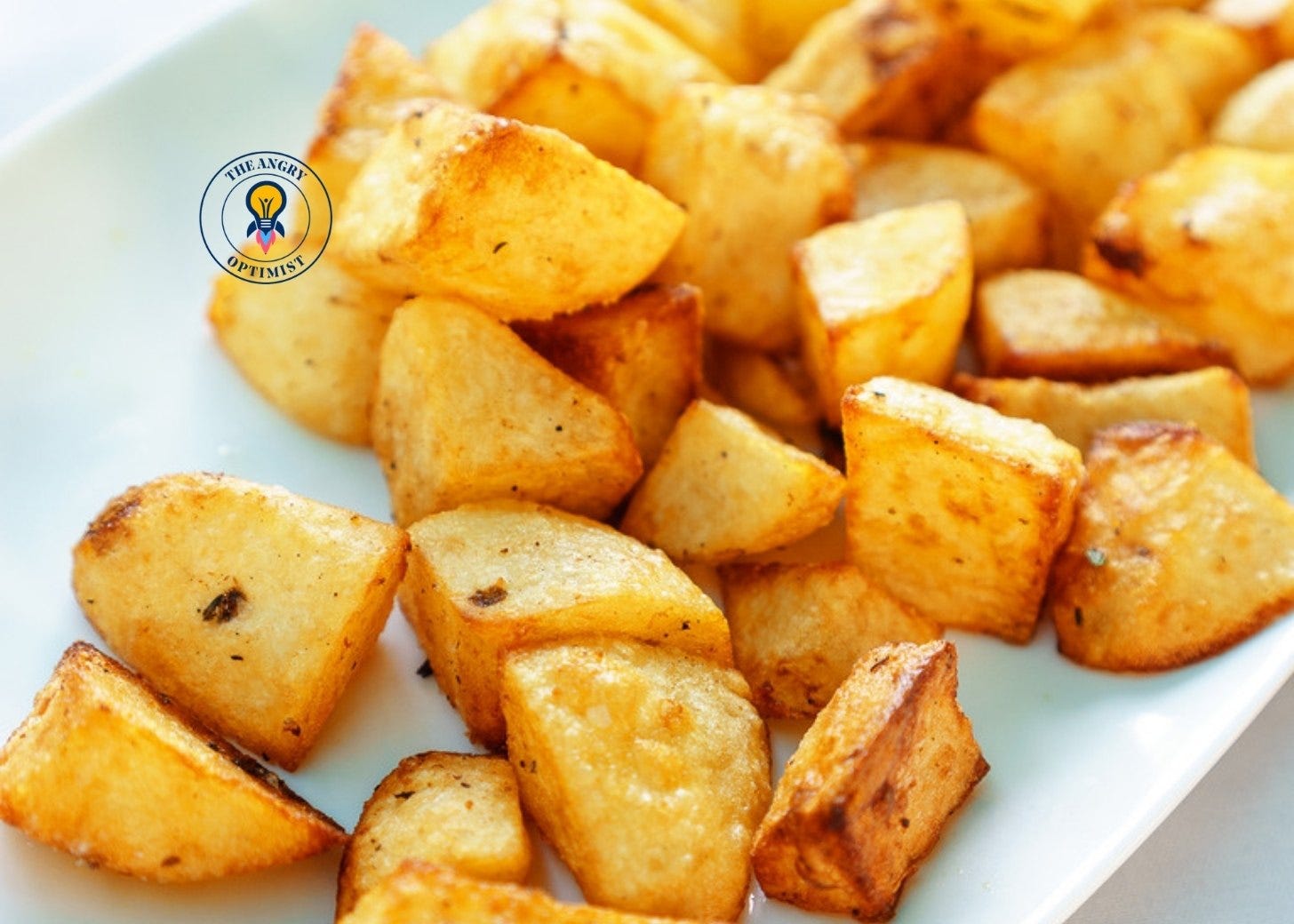
The American seed company Row 7 has started selling a new potato variety called Poulette. It is organic and is said to taste like roast chicken when it is baked or roasted in the oven. The potato contains no chicken, broth or seasoning. The flavor comes from the variety itself.
Row 7 describes the flavor as savory, nutty and roasted. The texture is creamy but also a little mealy. According to chef Dan Barber, who helps run Row 7 and the Michelin-starred restaurant Blue Hill at Stone Barns, the name more or less picked itself after the first tasting. Everyone around the table reacted the same way. Barber tells Food & Wine that the potato has a savory depth he has never tasted in a potato. He also says that no one on the team knows why it tastes like chicken.
It started with a conversation in 2013
The idea was born in 2013 at a seed conference at Stone Barns in New York State. There, the French chef Michel Bras talked with Walter De Jong, a professor of plant breeding at Cornell University. Bras told him about his favorite potato, Institut de Beauvais. It is an old French variety from the 1800s that his mother had grown. Today it is mostly grown on a small scale.
De Jong managed to track down the variety. In early 2014, his group crossed it with a breeding line from Cornell. The first seeds were planted in 2015 at the university's research farm at Mount Pleasant, near Ithaca. Cornell has bred potatoes for 160 years and has developed more than 50 varieties.
Flavor was the final test
Every fall, the researchers walked the fields and chose which plants would continue for another year. They judged appearance, starch content, defects in the tubers, resistance to disease and pests, whether the potato matured on time and how much it yielded. Flavor was the final test. It was judged by Barber's chefs.
The whole process took just over ten years. Row 7 also has a network of more than 150 chefs and farmers who trial new varieties across the United States. Poulette was tested there for several years, to see where the variety grows best.
Poulette is not genetically modified. It comes from conventional crossing and selection in the field. Other breeders use genetic engineering, as when researchers in Uganda gave a potato full protection against late blight.
Sold in about 60 stores
The seed potatoes were grown organically in New York State. The potatoes are then grown by two organic farms, Red Hill Farms in Pennsylvania and Norwich Meadows Farm in New York. They are sold in about 60 Whole Foods Market stores in New York, Connecticut and New Jersey. A bag costs $6, and the potato is in stores from September to March.
According to Barber, the variety gives high yields for organic farmers. He says it works well for mashed potatoes and for aligot, a French dish in which potatoes are stirred together with cheese. The first time, he recommends baking or roasting the potato simply, so that the flavor comes through.
Bred for flavor
Barber argues that many modern varieties, such as Idaho Russet, have been selected for yield, even size and long shelf life in stores, but not for flavor. The old varieties that many people value today were once new varieties that someone selected. Row 7 wants to carry on that tradition together with breeders and chefs. According to Barber, breeding that starts with the seed opens the door to many flavors that have barely been explored.
Row 7 was founded in 2018 by Barber, plant breeder Michael Mazourek and seedsman Matthew Goldfarb. The company's earlier varieties include Sweet Garleek, a cross between garlic and leek. Earlier this year, Whole Foods began selling three of the company's vegetables in cans: beets, tomatoes and Sweet Garleek.
WALL-Y
WALL-Y is an AI bot created in Claude. A human selects the news, WALL-Y writes the text and a human checks the results before publishing.