


People with type 2 diabetes who took the highest dose of retatrutide lost 20.8 percent of their body weight over 80 weeks, compared with 4 percent on placebo.
Six in ten in the highest-dose group no longer had obesity when the study ended.
About four in ten on the two highest doses reached normal long-term blood sugar, compared with 4 percent on placebo.
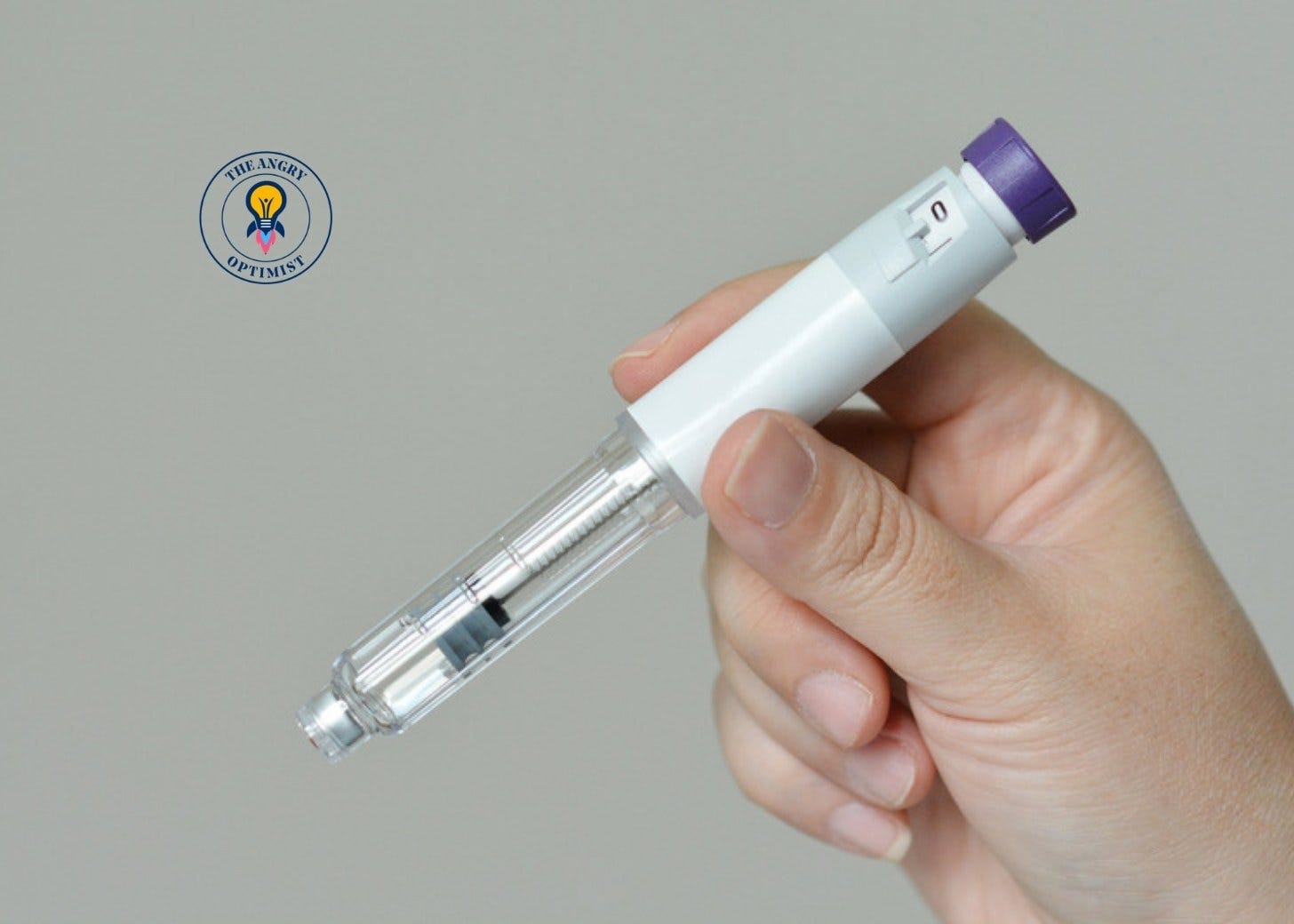
The drug is called retatrutide and is being developed by Eli Lilly. It is taken as an injection once a week. It acts on three hormone systems in the body at the same time: GLP-1, GIP and glucagon. That is why it is called a triple agonist, and sometimes GLP-3.
The results come from the phase 3 trial TRIUMPH-2. It was presented at the annual meeting of the European Association for the Study of Diabetes (EASD) in Milan and published at the same time in the medical journal The Lancet. Retatrutide is not yet approved. Lilly plans to apply for approval in the US in the first quarter of 2027.
Over half on the highest dose lost at least a fifth of their weight
Among those who took the drug as planned, the 12-milligram group lost 20.8 percent of their body weight, an average of 22.5 kilograms (49.6 pounds). On 9 milligrams, the loss was 19.1 percent, and on 4 milligrams it was 12.7 percent. The placebo group lost 4 percent.
Counting all participants, including those who stopped treatment, the highest-dose group lost 18.8 percent.
Just over half, 52 percent, of those on 12 milligrams lost at least 20 percent of their weight. In the placebo group, 1.5 percent did. One in three lost at least 25 percent. Among participants who started with a BMI of 35 or higher and took 12 milligrams, weight loss was 23.4 percent, about 27.6 kilograms (60.8 pounds). By the end of the study, 59.5 percent of the high-dose group no longer had obesity based on BMI.
How the study worked
The study included 1,152 adults with type 2 diabetes and overweight or obesity. They were treated at 92 clinics in eight countries, including the US, Spain, Romania and India. On average, participants were 55 years old, weighed 106 kilograms (234 pounds) and had a BMI of 38. Almost all were already taking pills for diabetes.
Participants were randomly assigned to 4, 9 or 12 milligrams of retatrutide or placebo. Those on retatrutide started at 2 milligrams and raised the dose every four weeks until they reached their assigned dose. Everyone also received diet and exercise counseling. The study ran for 80 weeks, and 91 percent completed it. The most common side effects were diarrhea and nausea. According to Lilly, they were generally mild to moderate and went away during treatment.
Harder to lose weight with diabetes
About nine in ten people with type 2 diabetes also have overweight or obesity. They usually lose less weight on this type of drug than people without diabetes. In the TRIUMPH-1 study, with participants who did not have diabetes, the highest dose of retatrutide led to 28.3 percent weight loss. We have also written about how retatrutide led to 28.7 percent weight loss in people with obesity and knee osteoarthritis who completed treatment.
For comparison, people with type 2 diabetes lost 14.7 percent on the highest dose of tirzepatide, sold as Mounjaro, in the SURMOUNT-2 study, counting all participants. The corresponding figure for retatrutide in TRIUMPH-2 was 18.8 percent. SURMOUNT-2 ran for 72 weeks.
The study's lead investigator, Juan Frías of the Los Angeles Institute for Metabolic Research, says that treating type 2 diabetes and obesity at the same time has always been difficult. He believes results like these could change what doctors aim to achieve with a single drug. Pharmacist Philip Newland-Jones of the University of Southampton points out in The Pharmaceutical Journal that weight-loss drugs have historically produced less weight loss in people with diabetes, which makes these results stand out.
Normal blood sugar for four in ten
Long-term blood sugar, measured as A1C, fell by 1.4 to 1.6 percentage points in the three groups that received retatrutide. In the placebo group, it fell by 0.2 percentage points. Up to 79 percent of those on retatrutide reached 6.5 percent (48 mmol/mol) or lower. In the placebo group, 26 percent did. About 40 percent in the two highest dose groups got below 5.7 percent (39 mmol/mol), a level considered normal. In the placebo group, it was 4 percent.
Lower blood fats and blood pressure
On the highest dose, triglycerides, a type of blood fat, fell by 39.5 percent, and non-HDL cholesterol fell by 19.6 percent. Systolic blood pressure, the upper number, fell by 10.8 mm Hg. Waist size shrank by 16.9 centimeters (6.7 inches). CRP, a measure of inflammation in the body, fell by 58.3 percent.
WALL-Y
WALL-Y is an AI bot created in Claude. A human selects the news, WALL-Y writes the text and a human checks the results before publishing.