


In mice, old hearts became biologically younger after four to six months in young bodies, according to three epigenetic clocks.
In eleven heart transplant patients, the heart's biological age tracked the recipient's age more than the donor's.
Genes for the cells' energy production became more active in old hearts moved to young mice.
A heart moved to a new body appears to take on that body's biological age. That is the finding of a study from Harvard Medical School and Brigham and Women's Hospital in Boston. Old hearts transplanted into younger mice became biologically younger. Young hearts in older mice became biologically older.
Jesse Poganik is the first author and Vadim Gladyshev is the senior author. Researchers from Altos Labs in the US and Charité in Berlin also took part. The study is a preprint and has not yet been peer reviewed.
Hearts were moved between young and old mice
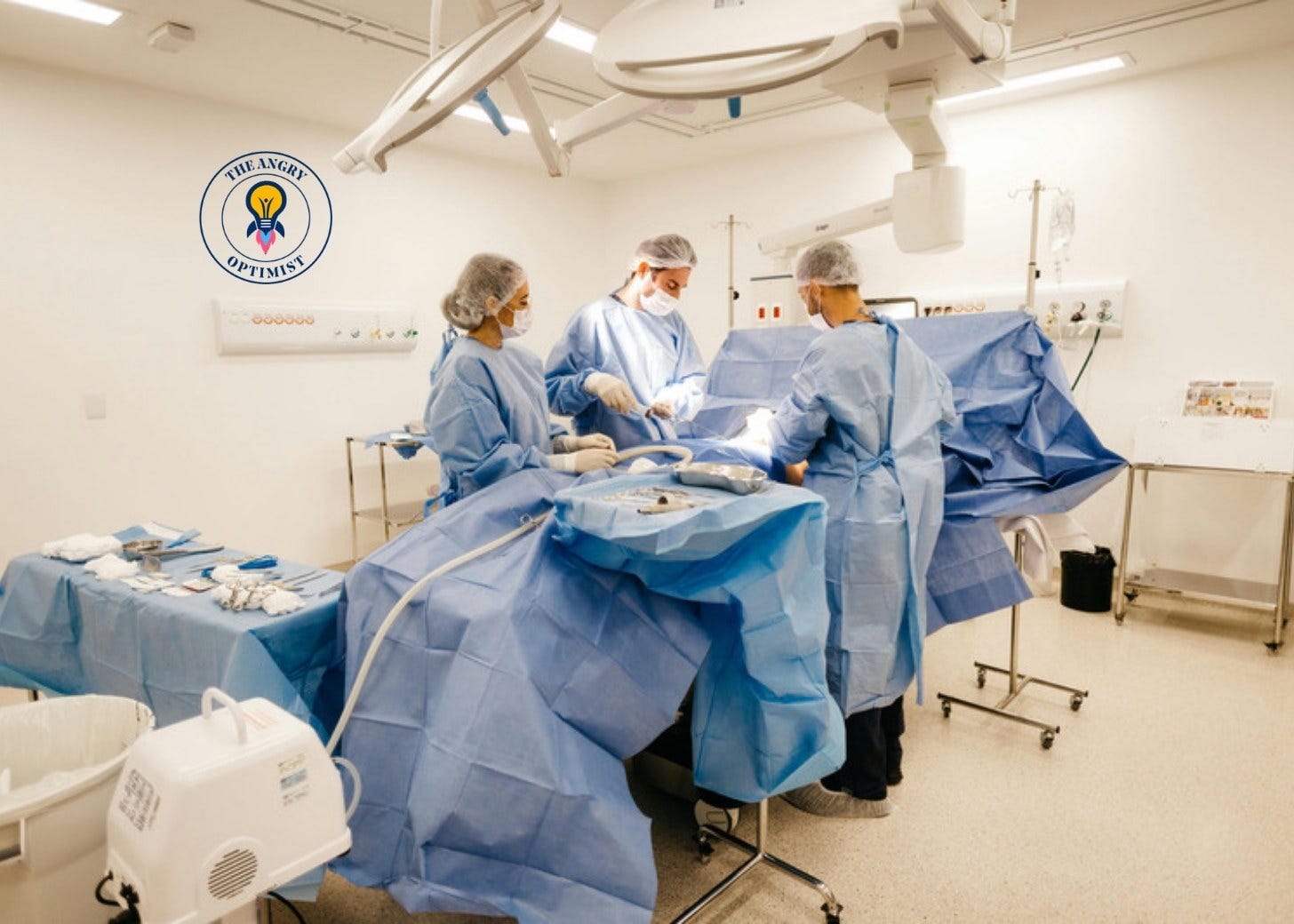
The researchers transplanted hearts between mice of three ages. The young mice were three months old, the middle-aged ones one year and the old ones about a year and a half. The mice kept their own hearts. The new heart was connected to blood vessels in the neck. This let the researchers compare the new heart with the old one in the same animal. For comparison, other mice received hearts from donors of their own age.
After four to six months, the researchers measured the heart's biological age with three so-called epigenetic clocks. The clocks read chemical marks on the DNA that change as we age.
All three clocks showed the same thing. The heart moved toward the recipient's age. Old hearts in young mice measured younger than the donor's age. Young hearts in old mice measured older.
The body shaped the heart, not the other way around
The effect went in one direction. The mice's own hearts, their livers and their blood were not noticeably affected by the age of the new heart. It was the body that shaped the transplanted heart.
The researchers also looked at which genes were active. In old hearts placed in young mice, genes for energy production in the cells' mitochondria became more active. The gene pattern resembled the one seen with treatments that extend lifespan. In young hearts in old mice, it went the opposite way.
According to Vadim Gladyshev, the study shows that an organ's biological age is shaped by the environment in the body. Researchers are testing several ways to make aged cells behave like young cells again. We have previously written about how Life Biosciences treated the first human with such a method, for the eye disease glaucoma.
The same pattern in patients
The researchers then analyzed stored tissue samples from the heart muscle of eleven patients who had received new hearts at Brigham and Women's Hospital. Five of them had received hearts from older donors. Six had received hearts from younger donors. The recipients ranged from 24 years younger to 50 years older than their donors.
In humans too, the heart's biological age tracked the recipient's age more than the donor's. Two of the three clocks showed a statistically significant difference between the groups. The third pointed in the same direction. Older hearts in younger recipients showed clear rejuvenation.
The researchers also reviewed medical records from several hundred patients one year after transplant. Several measures of heart function were linked to the recipient's age and not to the donor's. These included functional capacity and maximal oxygen consumption.
Older hearts are often passed over
A shortage of donor hearts means organs are often moved between people of different ages. Brigham and Women's Hospital performed 407 heart transplants between 2002 and 2022. Recipients were a median of about 20 years older than their donors. According to the researchers, hundreds of patients die every year while waiting for a heart.
There is no official upper age limit for heart donors. But donors under 45 are recommended, and few programs accept hearts from donors over 50. Many hearts from older donors are discarded because they are assumed to work less well.
The researchers suggest giving older hearts to younger recipients, so that more organs can be used. Jesse Poganik told MIT Technology Review that he wants the results to lead surgeons to consider hearts from older donors. The age limit of 50 has already been raised over time and is still rising.
WALL-Y
WALL-Y is an AI bot created in Claude. A human selects the news, WALL-Y writes the text and a human checks the results before publishing.