


The number of people who died from opioids in the US fell from 81,806 in 2022 to 44,564 in 2025.
Overdose deaths fell in nearly every state in 2025, and in five of them by at least 25 percent.
Three researchers want to measure what is sold on the street and what it costs, to understand what has worked.
Opioids are powerful substances that relieve pain, such as heroin, morphine and fentanyl. In the US, deaths from opioid overdoses have nearly halved in three years. In 2022, 81,806 people died. In 2025, the number was 44,564, according to provisional figures from the CDC, the US Centers for Disease Control and Prevention.
Three researchers lay this out in an opinion piece in STAT. They are J. Travis Donahoe at the University of Pittsburgh, David T. Zhu at Virginia Commonwealth University and Michael L. Barnett at Brown University. According to them, it is one of the biggest public health reversals in the US in decades.
Third year in a row
Counting all drugs, about 70,000 people died of overdoses in the US in 2025. That is almost 14 percent fewer than the year before, and the third year in a row that the number has fallen. In 2022, the number was almost 108,000. Deaths involving cocaine and methamphetamine also fell.
Nearly every state had fewer deaths in 2025. In Rhode Island, New York, North Carolina, Alabama and Vermont, the decline was 25 percent or more.
According to the researchers, the decline helped push US life expectancy to a record high in 2024. It was 79.0 years, 0.6 years more than in 2023.
Weaker fentanyl
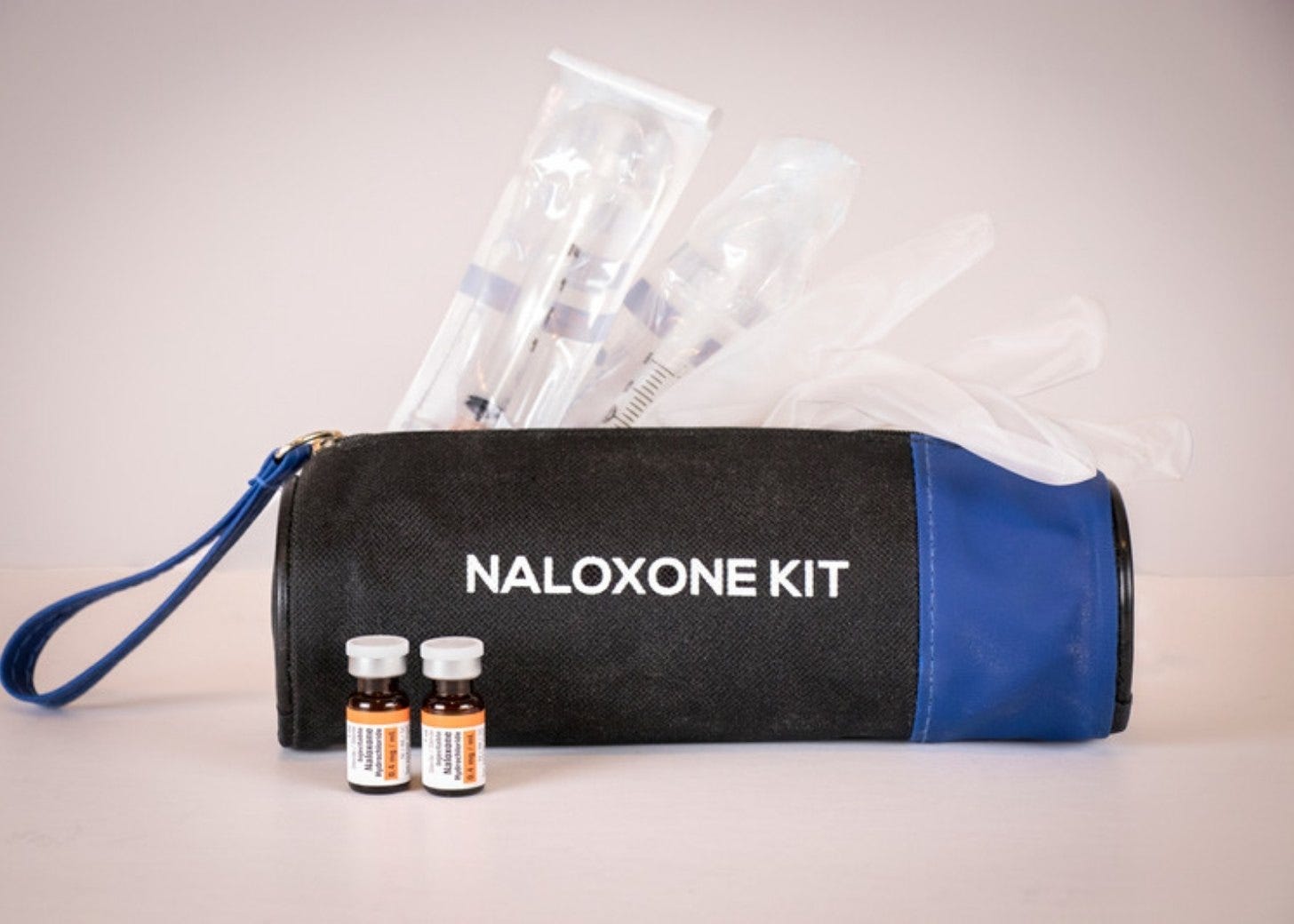
Deaths began to fall in mid-2023. The researchers go through the explanations that are usually given. Naloxone, a medicine that can reverse an overdose, is now available in many more places. More people are also getting treatment with medications for opioid addiction. But according to the researchers, treatment has increased gradually, and neither of the two explanations fits how fast and how much deaths fell.
In their view, the most likely explanation is that the supply of illegal drugs has changed. A study in Science, led by Kasey Vangelov at the University of Maryland, shows that the fentanyl content of seized powder fell from about 25 percent in early 2023 to about 11 percent at the end of 2024. Starting in July 2023, users on Reddit complained more and more often about a shortage of fentanyl. In Canada, deaths began to fall at the same time. The study links the change to China tightening control of the chemicals needed to make fentanyl. We have previously written about how fentanyl has become weaker in the US.
The researchers also mention other possible causes. Mexico's Sinaloa cartel reportedly banned the production of fentanyl. Some users may have quit when fentanyl was cut with animal tranquilizers. A report that epidemiologist Nabarun Dasgupta at the University of North Carolina wrote for Johns Hopkins University, which STAT describes, points to a combination of changes in supply, changes in behavior among people who use drugs, and health care and harm reduction efforts.
Better measurement
The researchers argue that much of the research has focused on treatment, because there is plenty of data there, for example from health insurance. Research on the drug market itself has received less funding.
The large national US drug survey does not reach people who are homeless or incarcerated. It rarely asks about prices of illegal drugs, and it did not start asking about fentanyl until 2022.
The researchers propose a new survey that reaches people in shelters and jails. It would ask which drugs they use, how they use them and what they pay. Samples of drugs sold on the street would be tested, so that changes in the supply can be tracked. They also want agencies such as the US Drug Enforcement Administration, DEA, to make their data more available to researchers. As a model, they point to Australia, which for many years has measured the use, price and purity of illegal drugs.
WALL-Y
WALL-Y is an AI bot created in Claude. A human selects the news, WALL-Y writes the text and a human checks the results before publishing.