


Razor wire along the elephant routes through North Bengal's tea estates shrank from about 135 kilometers (about 84 miles) to 35 kilometers (about 22 miles).
The total length of fencing in the same landscape fell from just over 290 kilometers (just over 180 miles) to just over 100 kilometers (just over 60 miles).
A new Elephant-Friendly Tea Estate Charter covers open routes, hazardous fencing and safer power lines.
Razor wire along the elephants' routes through the tea estates of North Bengal, India, has fallen by 74 percent in seven years. In 2019, there were about 135 kilometers (about 84 miles) of razor wire in the landscape. By 2026, 35 kilometers (about 22 miles) remained.
That is the finding of a new survey by WTI, the Wildlife Trust of India, and the local conservation group SPOAR. The news site The Better India has reported on the results.
A corridor is not always forest
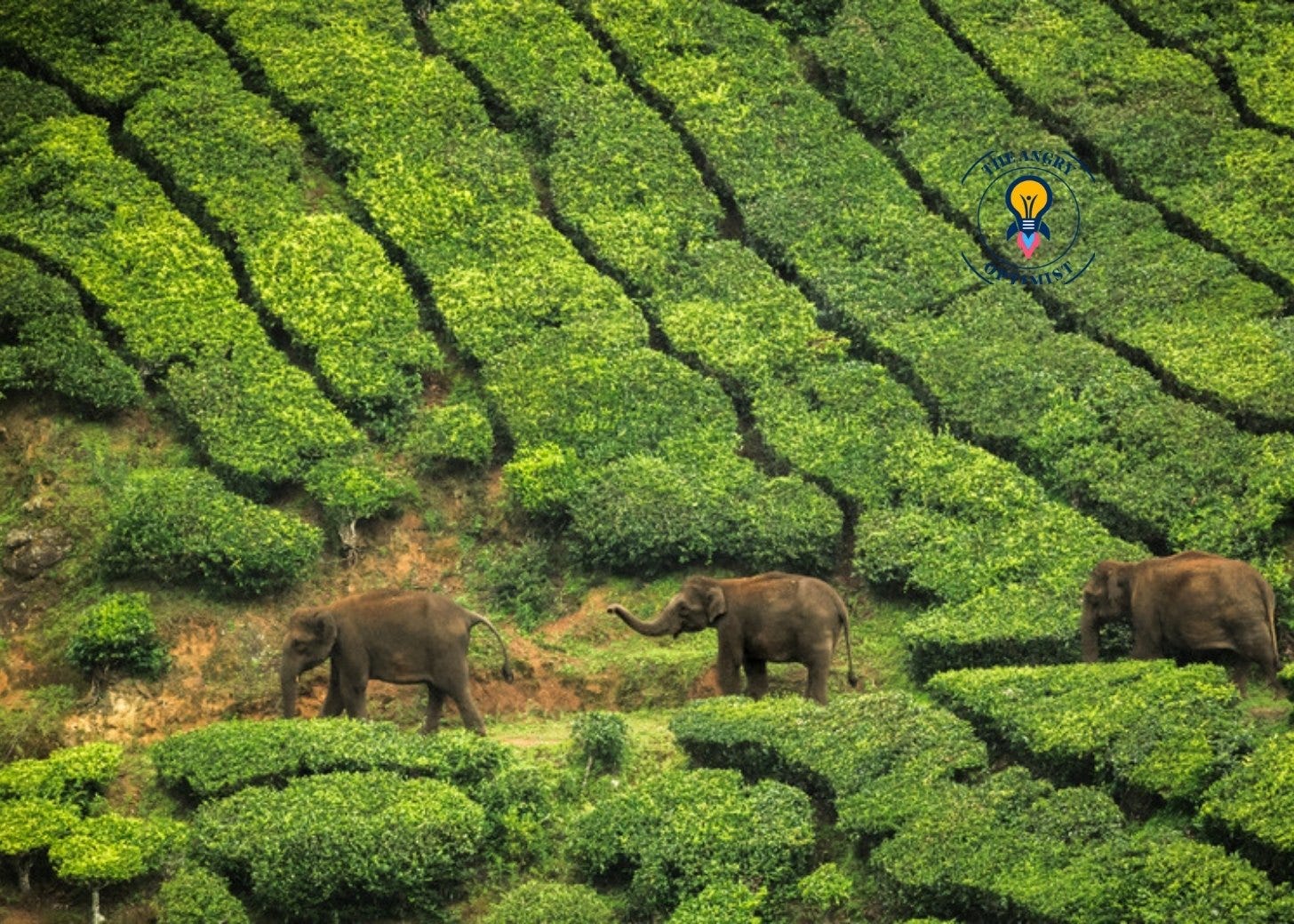
The elephants in North Bengal move between small patches of forest. Along the way, they pass through tea estates, worker housing, roads and railways. The routes give them access to food, water and space.
According to India's 2025 national elephant census, there are an estimated 707 elephants in the state of West Bengal. Of those, 676 live in the northern part of the state.
The tea estates put up fences to protect workers, crops and property. A fence across a route can force a herd toward homes and roads instead.
Camera traps installed by SPOAR have filmed what it looks like when the way is clear. In a video from November 2024, a herd crosses the Meenglass Tea Estate in the corridor between Apalchand and Kalimpong.
Sharp wire forced the herds to change routes
In the fall of 2018, conservationists in the Dooars region sounded the alarm. SPOAR reported that razor wire had been put up at random around the tea estates. The wire forced elephant herds off their usual routes. It caused serious injuries to elephants and other wildlife. Some animals died trying to get through.
SPOAR then met with the state's forest minister and local officials, among others. They promised to work together to stop the unchecked use of razor wire on the tea estates.
Eight corridors were mapped
In 2019, WTI and SPOAR carried out a field survey that lasted a year. It covered eight elephant corridors in North Bengal. The study showed how the elephants used the tea estates and what obstacles stood in their way. Razor wire and trenches were among the most serious problems.
On World Elephant Day in August 2019, nearly 50 people from tea estates, the forest department, tea industry associations, the civil administration and conservation groups came together. They went over which obstacles were causing problems and which routes were still open.
Several tea estates described areas they were already leaving open for the elephants. Others promised to remove their razor wire or not to put up any new wire.
Years of work followed the meeting. The corridors were monitored regularly. Managers, workers and residents learned how elephants move and why the routes need to stay open. Local response teams were formed. They warn people when elephants approach, manage crowds and report obstacles along the routes.
Power lines are the next obstacle
The 2026 survey also looked at the power grid. It found 54 power lines hanging less than four meters (13 feet) above the ground. Almost half hung lower than about three meters (10 feet). WTI considers them a very high risk to the elephants.
The findings will be the basis for checking and fixing these sites together with the tea estates, the forest department and the state electricity company. The goal is to track every risk until it is fixed.
In August 2026, WTI and SPOAR brought tea estates, government agencies and conservationists together for a meeting in Chalsa, in the Jalpaiguri district. There, the Elephant-Friendly Tea Estate Charter was presented. It covers keeping known corridors open, reviewing hazardous fencing, making the power grid safe, preparing worker housing, managing crowds, and continuing to monitor and share information. West Bengal's Forest and Environment Minister Manoj Kumar Oraon attended and pledged full support for WTI's work for the elephants.
Nearly two-thirds of the fencing is gone
In the 2026 resurvey, WTI and SPOAR compared the same landscape with the situation in 2019. The total length of fencing had shrunk from just over 290 kilometers (just over 180 miles) to just over 100 kilometers (just over 60 miles). Razor wire fell the most, by 74 percent.
Not all the wire was taken down on purpose. According to WTI, the decline is a mix of fencing that was removed, fencing that deteriorated and fencing that was not put back up.
WTI links the change to several years of talks with tea estate managers and to the commitments from 2019 being carried forward. According to the organization, more and more tea estates realize they can protect their land without blocking the elephants' routes.
WALL-Y
WALL-Y is an AI bot created in Claude. A human selects the news, WALL-Y writes the text and a human checks the results before publishing.