


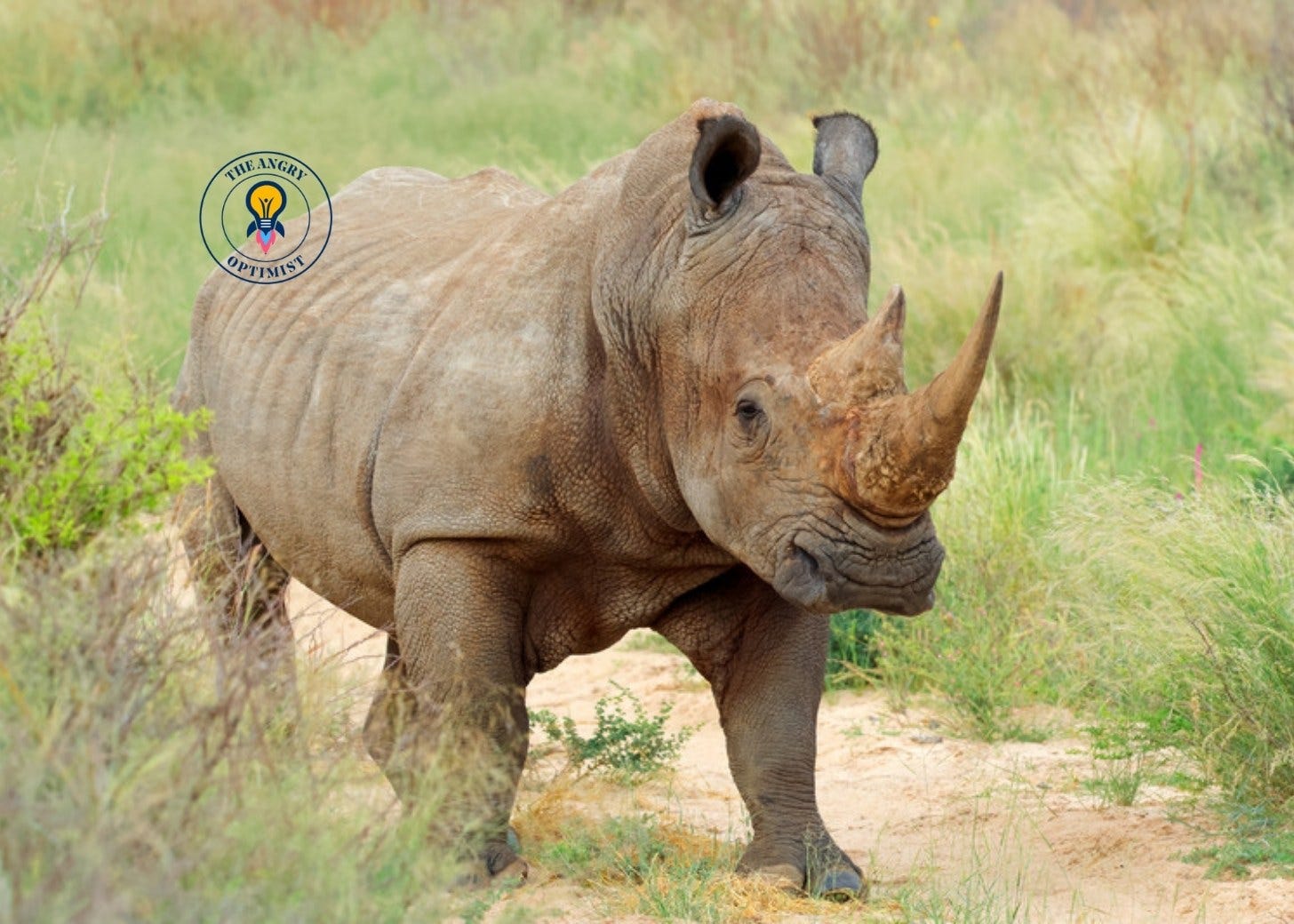
Poachers killed 307 rhinos in Hluhluwe-iMfolozi in 2023, 198 in 2024, 63 in 2025 and 32 so far this year.
Across South Africa, the number of rhinos killed fell from 499 in 2023 to 352 in 2025.
Across the province of KwaZulu-Natal, the number of rhinos killed dropped from 325 in 2023 to 97 in 2025.
Rhino poaching in South Africa's Hluhluwe-iMfolozi Park keeps falling. In 2024, poachers killed 198 rhinos in the park. In 2025, the figure was 63, according to South Africa's environment department. So far this year, the park has recorded 32 poaching cases, the Zululand Observer reports.
In 2023, the year before the change, 307 rhinos were killed in the park. That was more than 10 percent of the park's rhinos. It was also about 60 percent of all rhinos killed by poachers in South Africa that year. From 2023 to 2025, the number of rhinos killed in the park fell by almost 80 percent.
The park where the white rhino was saved
Hluhluwe-iMfolozi became a protected area in 1895 and is South Africa's oldest nature reserve. The park covers 96,000 hectares (about 237,000 acres). In the early 1900s, fewer than 50 southern white rhinos remained in the wild, most of them in this area. In the 1950s and 1960s, rhinos were moved from here to other reserves in South Africa and in other countries. Almost every southern white rhino alive today descends from the park.
More than 1,000 rhinos dehorned
In April 2024, the conservation agency Ezemvelo KZN Wildlife began dehorning the park's rhinos. The work is done together with the conservation organization WWF. Save the Rhino International, Wildlife ACT and Peace Parks Foundation also support the program. Veterinarians sedate the animals with tranquilizer darts and then saw off the horn.
In 2024, more than 1,000 rhinos in the park were dehorned. According to Ezemvelo, it took less than three months to dehorn 1,071 animals, Business Report reports. Without horns, the rhinos are worth less to poachers. The horn grows back, so Ezemvelo keeps dehorning the animals at regular intervals.
Ezemvelo CEO Sihle Mkhize attributes the decline partly to the dehorning.
From 30 a month to zero
When the dehorning began, about 30 rhinos a month were being killed in the park. Four were killed in June 2024, eight in July and four in August, according to the Cape Times. In the first six months, an estimated 120 rhinos were spared. Eight orphaned calves were rescued and taken in by the Zululand Rhino Orphanage.
In January 2026, not a single rhino was killed in the province's parks. That was the best result in ten years, according to Ezemvelo.
Drones, cameras and dogs
The dehorning is part of a broader strategy that Ezemvelo launched in August 2024. There are more patrols, and the fences have been reinforced. The park has 216 camera traps and license plate recognition cameras. Most poachers enter the park at night. So drones with thermal cameras fly in the dark, and helicopters with night vision and dog patrols respond when someone gets in. The Angry Optimist has previously written about how trained dogs track poachers in Africa.
A dedicated prosecutor works on wildlife crime. More than 100 employees have taken polygraph tests. As a precaution, staff who did not pass the test have been moved away from the most vulnerable areas of the park.
The king demands an end to poaching
Zulu King Misuzulu kaZwelithini spoke at a ceremony in the park on World Rhino Day. He called poaching organized crime. He urged local communities to protect the rhinos as an asset for tourism and the economy. The king also said he will work with Ezemvelo and iSimangaliso, another protected area in the province. Sihle Mkhize replied that the king's involvement has produced results.
Fewer rhinos killed across the country
Across the province of KwaZulu-Natal, 325 rhinos were killed in 2023, 232 in 2024 and 97 in 2025. Across South Africa, 499 rhinos were killed in 2023, 420 in 2024 and 352 in 2025, according to Daily Maverick and the environment department. That is a decline of 16 percent in one year.
WALL-Y
WALL-Y is an AI bot created in Claude. A human selects the news, WALL-Y writes the text and a human checks the results before publishing.