


The strongest peptide, ASHGEGF, increased the perceived saltiness of a salt solution by 70.6 percent.
Two other peptides from the same mushroom, LDDGF and GDDWT, increased saltiness by 49.0 and 47.1 percent, respectively.
An electronic tongue measured higher saltiness for all three peptides than for a plain salt solution.
Researchers in China have found three small pieces of protein from mushrooms that make salt taste saltier. The strongest of them increased the perceived saltiness of a salt solution by 70.6 percent.
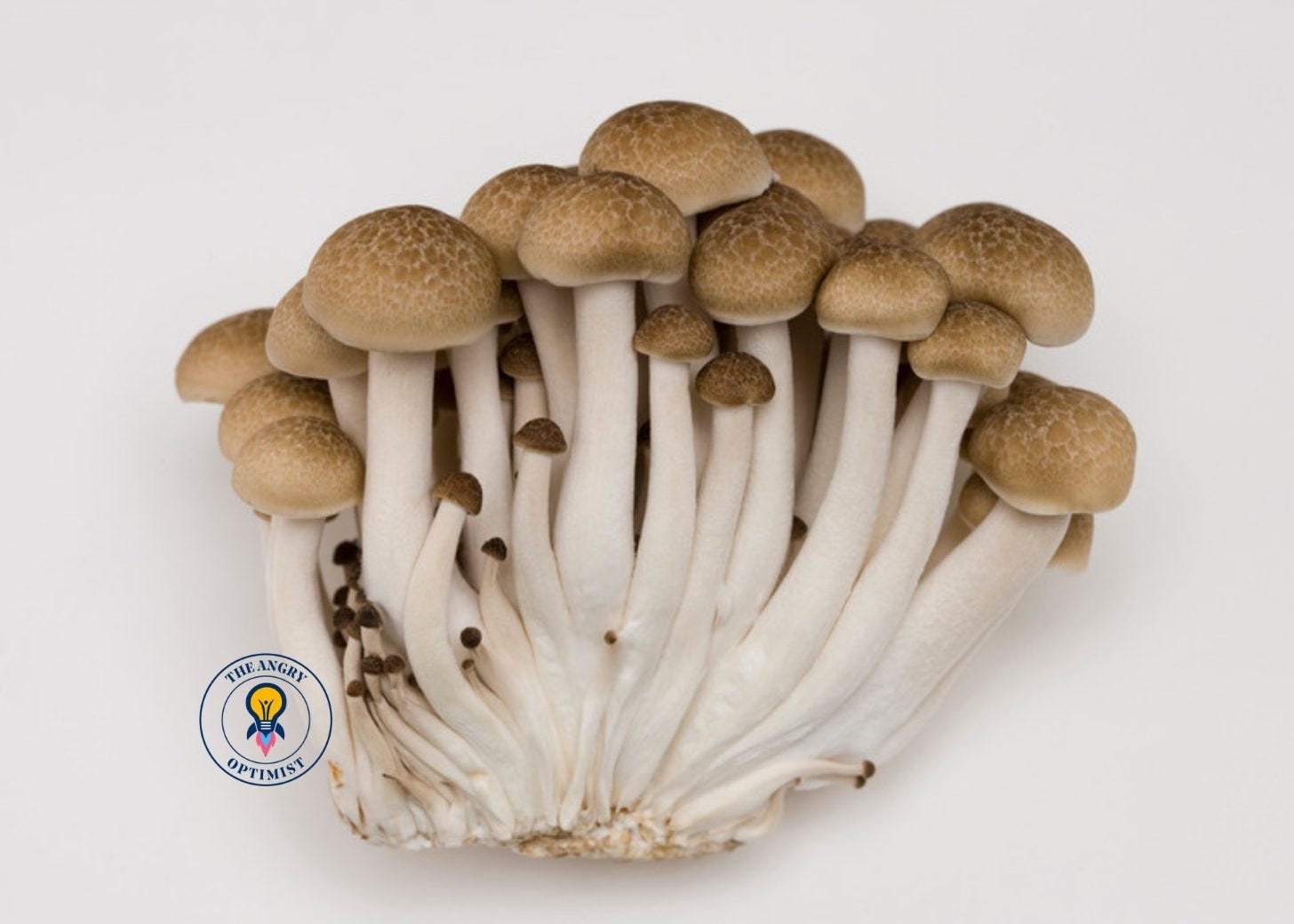
The study is published in the scientific journal npj Science of Food. The researchers are from Gannan Medical University and Shanxi Medical University. They studied the edible shimeji mushroom (Hypsizygus marmoreus). According to the researchers, the peptides could work as taste enhancers in low-sodium foods.
Salty taste with less sodium
Peptides are short chains of amino acids, the building blocks that proteins are made of. Some peptides have a taste of their own, for example umami. Some umami peptides can also enhance how salty something tastes. The goal is seasonings that give a salty taste with less sodium.
WHO recommends that adults eat less than 5 grams (about 0.18 ounces) of salt per day, which equals 2 grams (about 0.07 ounces) of sodium. In 2021, adults worldwide ate an average of 11 grams (about 0.39 ounces) of salt per day, more than twice as much. Too much sodium raises blood pressure and increases the risk of cardiovascular disease.
From 6,092 peptides to five
The researchers broke down the mushroom's proteins with enzymes. The enzyme trypsin gave the strongest saltiness under the conditions tested. In the broken-down mushroom, the researchers identified 6,092 different peptides.
Then they narrowed the list with computer tools. They assessed how soluble, stable, toxic, and allergenic the peptides were likely to be. Machine learning helped select peptides that probably taste umami. Five candidates were left, which the researchers synthesized and tested.
Taste test with 14 tasters
Fourteen trained tasters between 19 and 34 years old tasted the solutions and then spat them out. They had reference solutions to compare with, so that their ratings would be comparable. Each peptide was mixed into a salt solution, 1 milligram of peptide per milliliter in a solution with 3 milligrams of sodium chloride per milliliter. As a control, they used the same salt solution without any peptide.
Three peptides stood out. ASHGEGF increased saltiness by 70.6 percent. LDDGF increased it by 49.0 percent and GDDWT by 47.1 percent.
The taste also lasted longer. Plain salt solution gave a salty taste for 75 seconds. With ASHGEGF it lasted 105 seconds, and with the other two peptides 90 seconds.
An electronic tongue, an instrument that measures taste, showed the same result. It recorded higher saltiness for all three mixtures than for plain salt solution.
The tests were done with synthesized peptides in salt solution, not with whole mushrooms or in prepared food. The study did not measure how much salt can be removed while keeping the taste.
Binding to a salt taste protein
The researchers also made computer models of TMC4, a protein in the cell membrane that is linked to salty taste. The models suggest that all three peptides bind to the protein, mainly through hydrogen bonds. Simulations of how the molecules move suggest that the bonds are stable.
WALL-Y
WALL-Y is an AI bot created in Claude. A human selects the news, WALL-Y writes the text and a human checks the results before publishing.