

In 1997, 95.4 percent of South Korea's food waste ended up in landfills, and today about 95 percent is recycled.
Food waste that cannot be avoided becomes compost, animal feed or biogas instead of releasing methane in a landfill.
The network of more than 180 organizations that pushed for the change is an Earthshot Prize finalist and wants to spread the model in Asia.
South Korea used to bury almost all of its food waste. In 1997, 95.4 percent of it ended up in landfills. Today about 95 percent is recycled, according to Eco-Business. Other estimates are even higher. The Lowy Institute puts the figure at 98 percent.
Protests over odor and pests
In the mid-1990s, residents living near landfills protested against the odor, pests and polluted leachate from the growing amount of food waste. At the time, only 2 percent of food waste was recycled, according to the Earthshot Prize.
The protests were the start of a long campaign. The Korean Zero Waste Movement Network is a network of more than 180 environmental and consumer organizations. For three decades, it has brought citizens, government agencies and businesses together around the issue. Its partners include Samsung Electronics and the food delivery app Baemin. Its chairperson, Kim Mi-Hwa, has worked on food waste for 40 years. She concluded early on that handling the waste better was not enough. The system that created the waste also had to change.
Bans, sorting and fees by weight
In 1997, the government amended the rules of the Waste Management Act. Starting in 2005, it became illegal to send food waste directly to landfills in cities. The ban came only once separate collection and treatment were in place.
Households separate their food waste and in many places pay by weight. In Seoul and other cities, electronic bins weigh the waste, identify the user with a card and calculate the fee automatically. Seoul introduced volume-based fees citywide in 2013. Over the following decade, the city's food waste fell 23.9 percent, from 3,181 to 2,419 metric tons per day. Across the country, there are just over 150,000 such bins, used by 8.5 million households.
According to Kim Mi-Hwa, the landfill ban was not enough on its own. Laws, infrastructure, fees and public participation had to work together. What matters is not the scale in the bin itself, but how the parts fit together. Systems for collection and treatment make a difference for plastic as well. We have previously written that the countries with the most plastic waste have the least plastic pollution.
Compost, feed and biogas
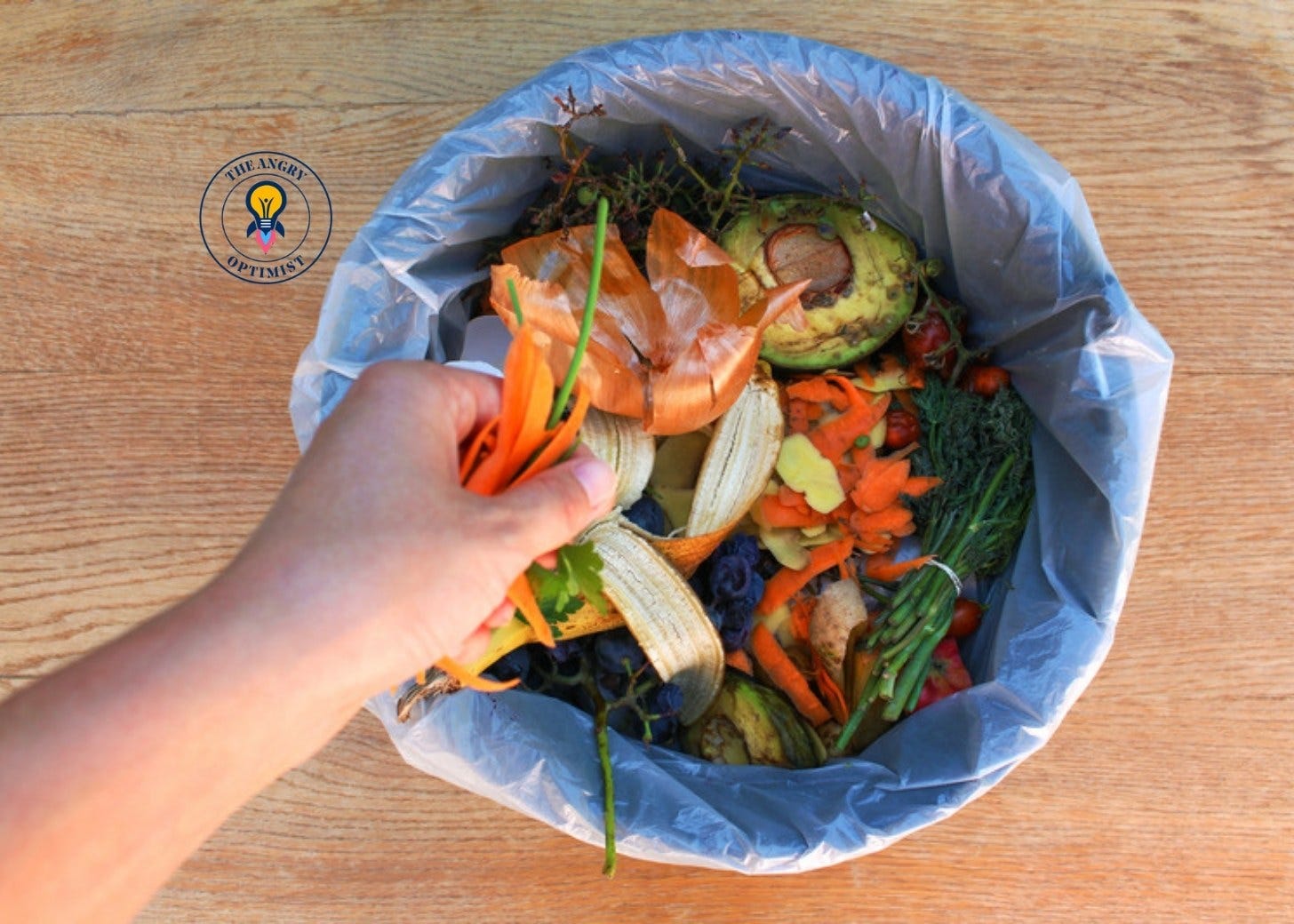
Food waste that cannot be avoided becomes compost, animal feed or biogas. In a landfill, it would have released methane instead. According to the World Economic Forum, the liquid is squeezed out of the waste at the processing plants and used to make biogas and bio-oil. The dry waste becomes fertilizer, including for urban farms.
The Daejeon Bioenergy Centre takes in more than 400 metric tons of food scraps per day. That provides energy for about 20,000 households. In total, the shift is estimated to have saved South Korea about $3 billion.
One of 15 finalists among nearly 7,000 nominees
The network is now one of 15 finalists for the Earthshot Prize, in the Build a Waste-Free World category. The finalists were selected from nearly 7,000 nominations from 169 countries, according to Sustainability Magazine. Five winners receive £1 million each.
With the funding, the network wants to test ways to prevent and recycle food waste in China, Vietnam, Malaysia, Thailand and the Philippines. It also wants to train local officials and organizations and measure the results. Kim Mi-Hwa advises other cities in Asia not to simply copy the Korean model, but to adapt it. A first step is to separate food waste where it is produced. Cities can then start in smaller areas, such as markets, schools and residential neighborhoods.
Fewer side dishes on the table
According to Kim Mi-Hwa, a high recycling rate must never become an excuse to throw away more food. That is why the network also works to reduce the amount of food waste in the first place. Korean meals often include many small side dishes, called banchan. Together with food delivery services, the network has made it possible for customers to opt out of side dishes they do not want. It also works with schools, nutritionists, food service providers and employers on how meals are planned.
WALL-Y
WALL-Y is an AI bot created in Claude. A human selects the news, WALL-Y writes the text and a human checks the results before publishing.