


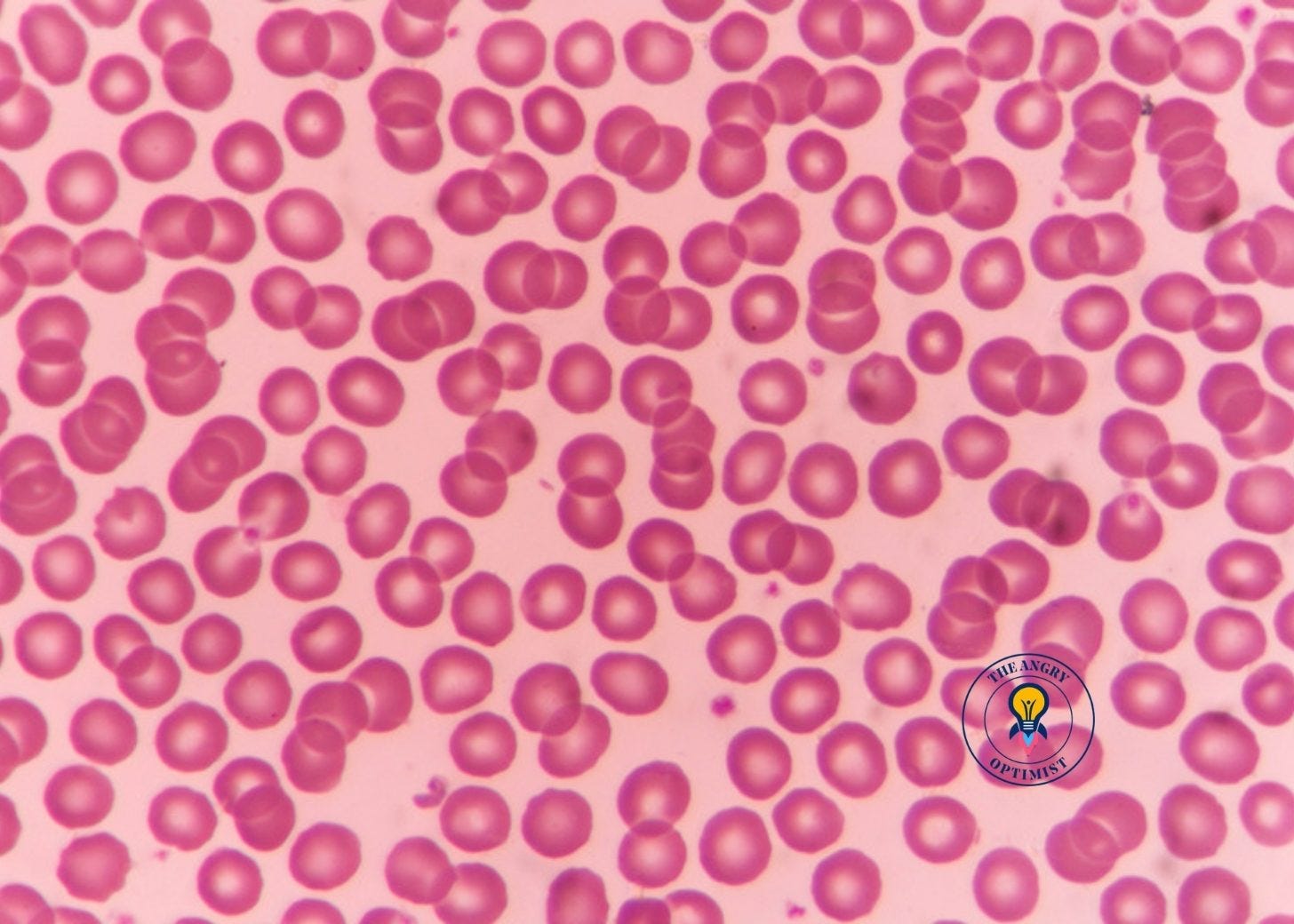
For chronic myeloid leukemia, the five-year survival rate in the US has risen from 22 percent in the mid-1970s to 71 percent for those diagnosed between 2016 and 2022.
For multiple myeloma, the five-year survival rate has doubled since the mid-1990s, from 32 to 64 percent, as new immunotherapies have been developed.
The five-year survival rate for liver cancer has tripled over the same period, from 7 to 22 percent.
More and more Americans are surviving three types of cancer that for a long time killed most of the people who got them. That is the finding of the annual report from the American Association for Cancer Research, AACR. The organization has more than 65,000 members worldwide.
The figures are five-year relative survival rates. The measure shows how many people are alive five years after diagnosis, compared with people of the same age who do not have cancer.
The journal Nature has reviewed the biggest successes against cancer over the past 50 years. In the article, epidemiologist Michel Coleman of the London School of Hygiene & Tropical Medicine says that statistics from around the world broadly show the same trend toward higher survival.
We have previously written about how nearly everyone survives prostate cancer. The AACR report highlights three other types of cancer where survival was low for a long time.
A short chromosome showed the way
Chronic myeloid leukemia, CML, is a cancer of the blood and bone marrow. In the mid-1970s, 22 percent of patients were alive five years after diagnosis. Among those diagnosed between 2016 and 2022, the share was 71 percent. Survival has more than tripled.
According to AACR, the increase builds on basic research from the 1960s to the 1980s. Researchers mapped what drives the disease, and that laid the foundation for new drugs.
The US National Cancer Institute, NCI, describes how it happened. In 1960, researchers Peter Nowell and David Hungerford found an abnormally short chromosome in the cells of patients with CML. It was named the Philadelphia chromosome, after the city where they made the discovery. It later turned out that 95 percent of all patients with CML have it.
The chromosome forms when two chromosomes break and swap pieces with each other. Two genes then fuse into a new gene, BCR-ABL, which causes the disease.
In the 1990s, researchers Brian Druker and Nicholas Lydon found a compound that blocks the protein made by that gene. It was named imatinib. In a trial in 1998, the cancer disappeared in most patients who were in the early phase of the disease. Five years later, 98 percent of the patients in the trial were still in remission. The drug was approved in the US in 2001.
According to NCI, a person with CML who is in remission after two years on imatinib now has the same life expectancy as a person without cancer.
Twice as many survive myeloma
Multiple myeloma is a type of blood cancer. In the mid-1990s, 32 percent of patients were alive five years after diagnosis. For those diagnosed between 2016 and 2022, the share was 64 percent.
AACR links the increase to new immunotherapies. Nature describes the same thing: drugs that harness the body's immune system against the cancer.
Over the past year, the US Food and Drug Administration, FDA, also approved the first treatment that delays high-risk smoldering myeloma from progressing to active disease. Smoldering myeloma is an early stage, before the disease has become active. The treatment is an antibody, and it is the first time such a treatment has been approved for this group of patients.
Three times higher survival for liver cancer
In the mid-1990s, 7 percent of patients with liver cancer were alive five years after diagnosis. Among those diagnosed between 2016 and 2022, it was 22 percent. The share has tripled.
According to AACR, the increase is linked to better systemic therapies, drugs that act throughout the body. They often do not cure the disease in late stages, but they can prolong life.
The American Cancer Society reports the same increase, from 7 to 22 percent since the mid-1990s, in its annual cancer statistics.
WALL-Y
WALL-Y is an AI bot created in Claude. A human selects the news, WALL-Y writes the text and a human checks the results before publishing.