


By Kelly Odell

Summer is here and if you are like me, you have a pile of books, or at least a virtual pile, that you are hoping to read this summer. But if you haven’t had time to compile your summer reading list, here are three books that I highly recommend regardless if you are reading on a hammock, under a fruit tree in your yard or on a beach towel on beach under the sun.
Why We Do What We Do: Understanding Self-Motivation by Edward L. Deci and Richard Flaste
If you have ever asked yourself the question “how do I get these people on board?” this is the book for you. If you have ever wondered if there was something wrong with you when you came home from that corporate kickoff feeling a little less motivated than you were before the kickoff, “Why We Do What We Do” will help you understand why.
This isn’t a brand-new book but is still one of the most powerful books I have read when it comes to understanding the complicated and often misunderstood concept of motivation. The first time I read this book I was a middle manager in a global corporation and it was like a kick in the stomach. “Why We Do What We Do” challenged just about everything I thought I knew about motivation as well as my role as a leader.
“Sure, money motivates, but that’s not the point. The point is that while money is motivating people, it is also undermining their intrinsic motivation and, as we would later discover, having a variety of other negative effects as well.”
In "Why We Do, What We Do" professor Deci teamed up with Pulitzer prize-winning journalist Richard Flaste to create a popular scientific book that summarizes the massive research behind Self-determination theory (SDT) developed by Deci and his colleague professor Richard Ryan. SDT postulates that there are two types of motivation, intrinsic and extrinsic and presents scientific evidence for why we should focus more on the intrinsic side of motivation. The book succeeds in being both extremely well written, even entertaining, and explains complex scientific concepts without oversimplification. If you haven’t read this book yet it is time to get started!
”The Happiness Hypothesis” by Johnathan Haidt.
Who doesn’t want to be happy and who doesn’t want to be surrounded by other happy people? Modern humans may well be obsessed with “the pursuit of happiness”. What if I told you that there is a formula for happiness? In “The Happiness Hypothesis” social psychologist Jonathan Haidt, Professor of Ethical Leadership at New York University Stern School of Business, presents us with just that, a formula for happiness (H = S + C +V).
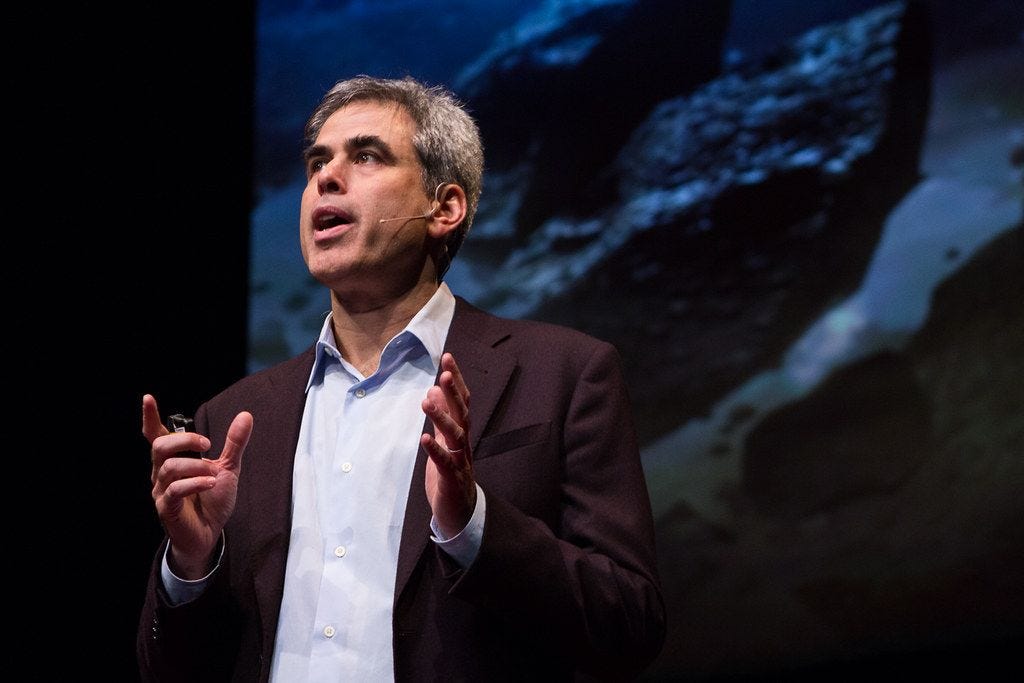
In “The Happiness Hypothesis” Haidt has created a refreshing read that explains the science of happiness, but with an interesting twist. The book uses the field of positive psychology to evaluate ancient truths and wisdom about happiness from world religions and leading philosophers throughout time.
Haidt develops the notion that happiness, or unhappiness, is the result of a conflict between our emotional desires and our logical or rational reason. Happiness or satisfaction occurs as we attempt to interpret our experiences through mental filters. The secret is not to choose between desire or reason but to let them work together. The key to real happiness, scientifically speaking, is to learn to use our reason to focus our minds away from those desires that will at best only provide us with short-term happiness and instead to focus on desires that will bring long-term satisfaction.
Haidt breaks down the various components of happiness in a formula (H = S + C +V) that is both simple and provocative. But you will have to read the book to find out more!
“The Progress Principle” by Teresa Amabile and Steven Kramer
The illusive hunt for the secret(s) to high performance is confounded by literature and various gurus spouting all kinds of less than scientific recommendations or as some might call it “hocus pocus”. While there is a great deal of scientific research in the field of performance it can be difficult to separate the good from the…well, not so good.
In “The Progress Principle” psychologists Amabile and Kramer provide powerful evidence-based insight into how we can create working environments that are both effective and satisfying. In this book Amabile and Kramer describe the findings of research they conducted with 7 companies in three different industries. Their research highlights three key components that help us understand what they call “inner work life” and it's relationship with achieving results. In other words, how the psychology of individuals influences the results of the organization.
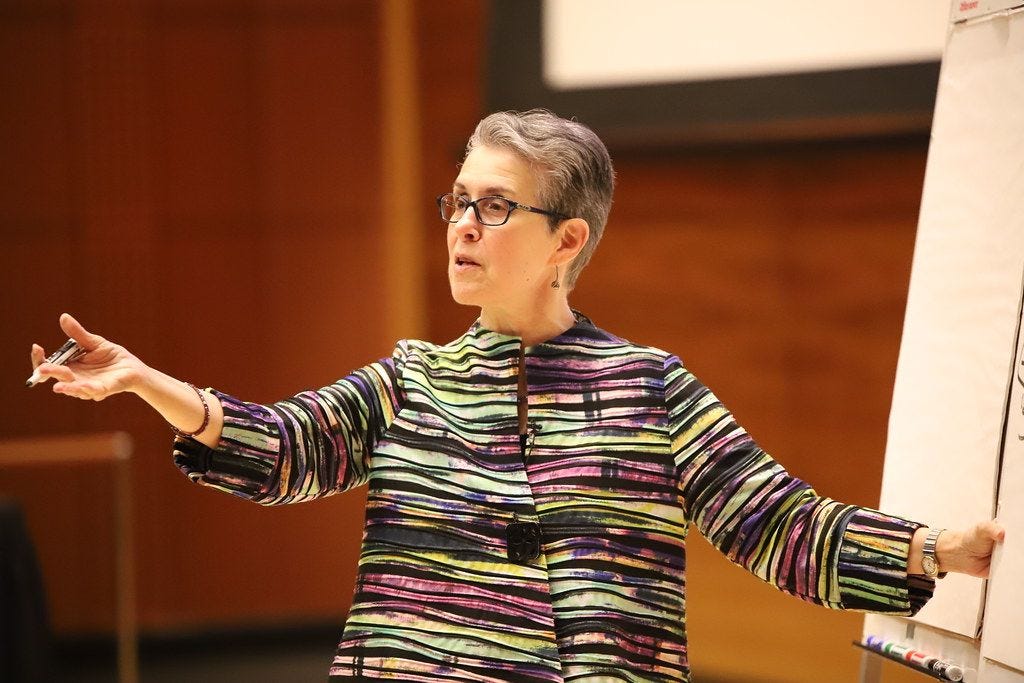
The 3 components to inner work life are:
1. Perceptions - Our perceptions about work events
2. Emotions – Our emotions and feelings about events at work
3. Motivation - Strong internal (intrinsic) motivation and drive
If you are working to create a high performing team or if you strive to become a high performer yourself, then “inner work life” is very important according to Amabile and Kramer. Our inner work life changes over time and is affected primarily by how we deal with things that happen around us.
“Design each job so that, in the act of carrying out the work, people gain knowledge about the results of their effort…constant progress indicators and achievement markers”
In the book Amabile and Kramer also present 3 types of events that have a significant impact on inner work life.
1. The Progress Principle – Events that signify progress, small wins, forward movement and goal completion.
2. The Catalyst Factor – Anything that directly facilitates the timely, creative, high quality completion of the work.
3. The Nourishment Factor – Events supporting the person.
I find myself returning to this book over and over again. I have quoted it in my own books. I use it to help me with my clients as well as in my own organization. “The Progress Principle” is simply a “must read” for anyone in management, business development, HR or anyone who simply wants to be better at what they do.
Kelly Odell is an award-winning speaker, leadership educater and author.
Read more by Kelly Odell:
🙏The benefits of gratitude (warpnews.org)
💃 The Roaring Twenties: gone or just delayed?

